Showing posts with label romance. Show all posts

Thursday, August 13, 2009

The Call of Aloha...

by Donnie MacGowan

When the Aloha of Hawaii first called me, I felt my spirit ache, seeking adventure and the unknown; my soul reaching toward an inner connectedness with the aina, the sacred land of Hawaii. For some, unraveling these mysteries of Hawaii promises an experience of the profound. For me, it was like awakening in a new body, a new universe; like coming home for the first time.

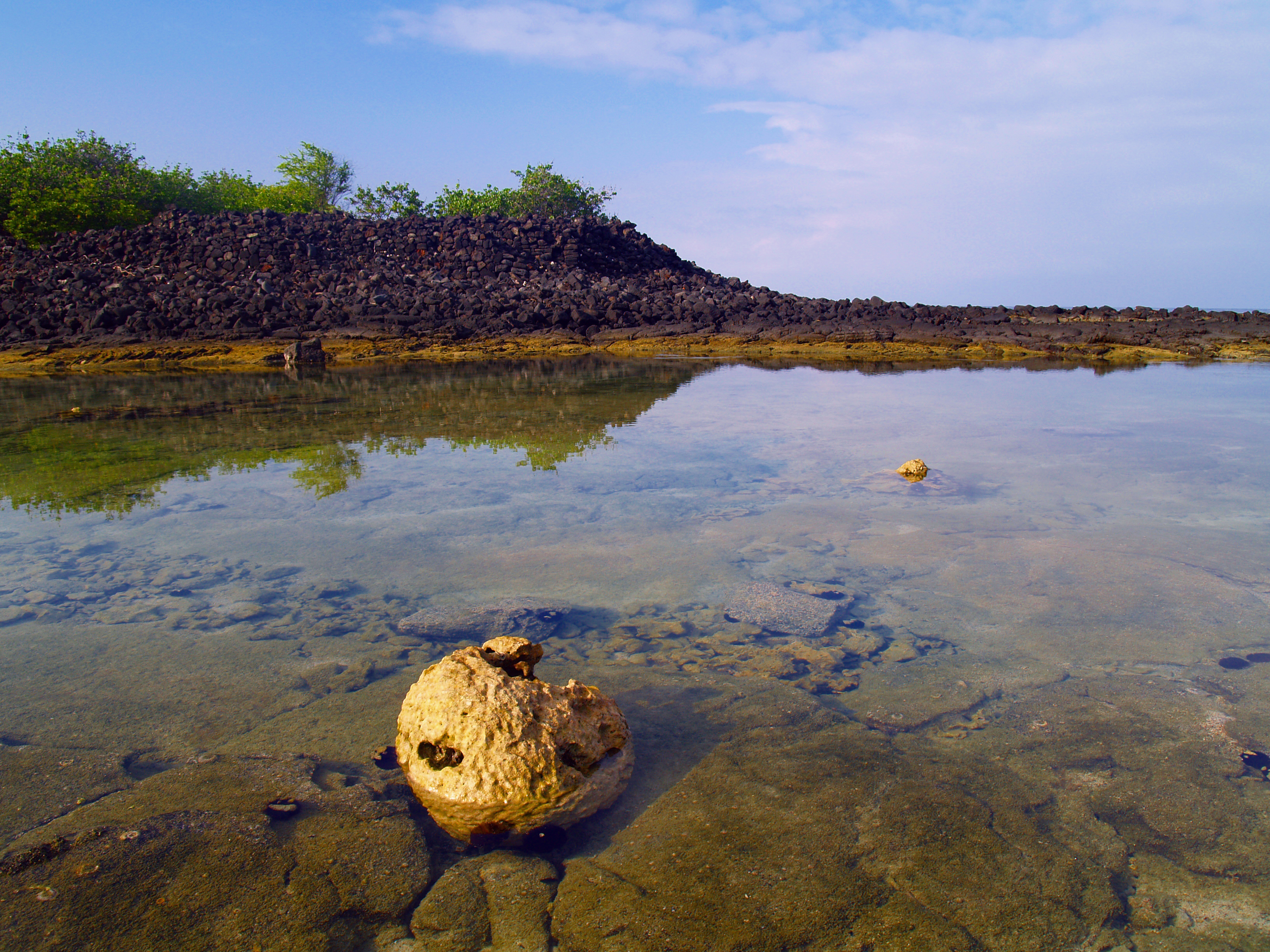
Morning reflections at Hapaiali'i and Ke'eku Heiaus, Kona Coast: Photo by Donnie MacGowan

Hawaii is more than tourist brochure visions of paradise...swaying palm trees, radiant beaches, dazzling weather. Exotic hula, sultry nights. There is a resonance, a deep richness to the experience that many modern visitors miss...the richness experienced by Hawaii's first inhabitants, seeing the aina as they saw it.

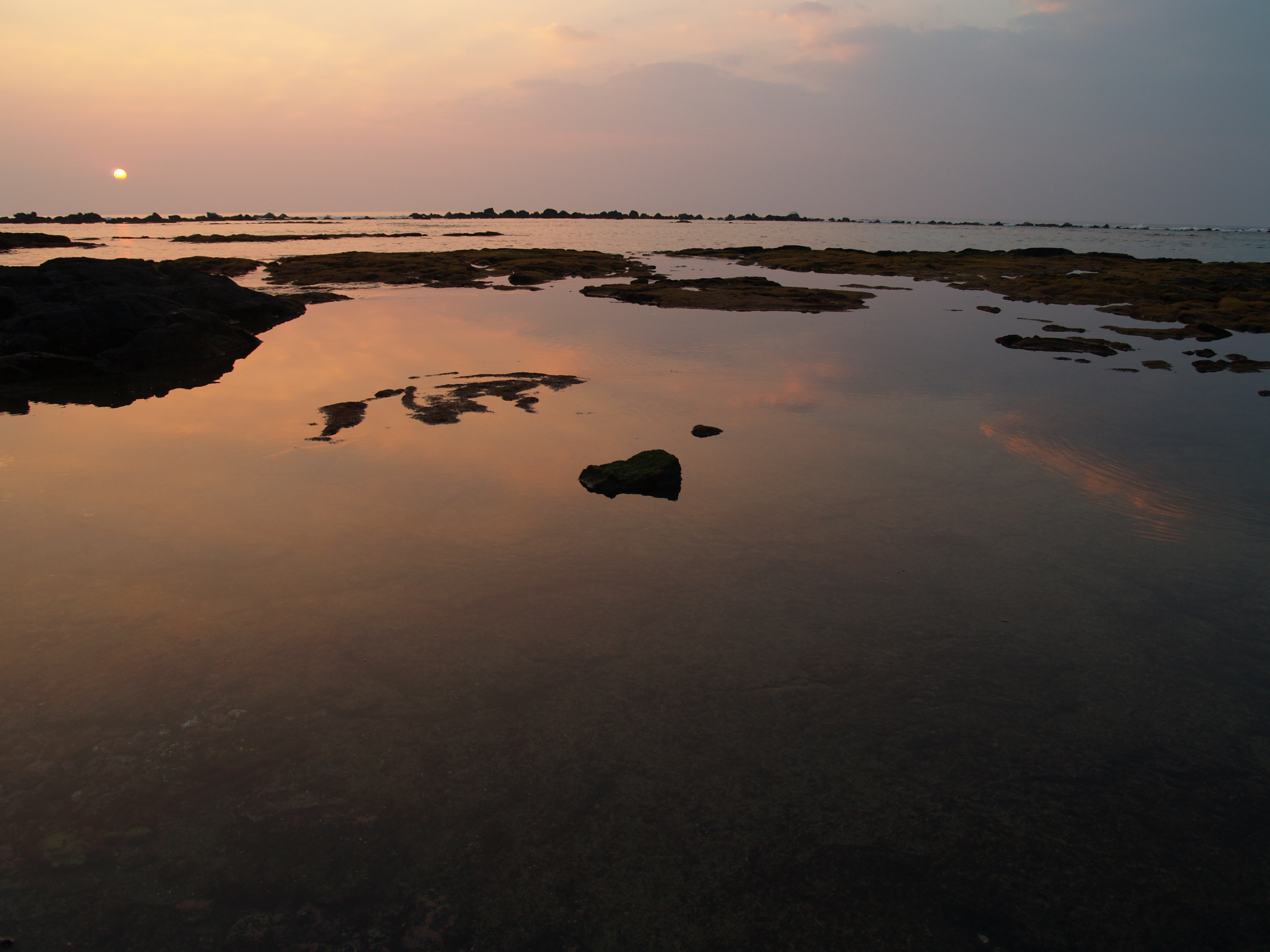
Kahalu'u Beach is Kona's Premiere Snorkeling Spot But Is Also A Fabulous Place To Watch Dolphins, Whales and Sunset: Photo by Donnie MacGowan

People first came to Hawaii not in modern metal jet planes, giant ocean liners or even in large sailing vessels using compass navigation. They came in small, hand-made canoes with sails made of tree bark, navigating the vast ocean by the winds and stars and rain; by knowing the currents, the wave patterns and the migrations of the animals; by surviving storm and thirst and hunger. Making voyages of thousands of miles over the wildest ocean on earth, people first came to Hawaii a thousand years before the birth of Christopher Columbus; they came when the Roman Empire was beginning to crumble...they came more than four hundred years before the first vikings would venture out upon the seas.

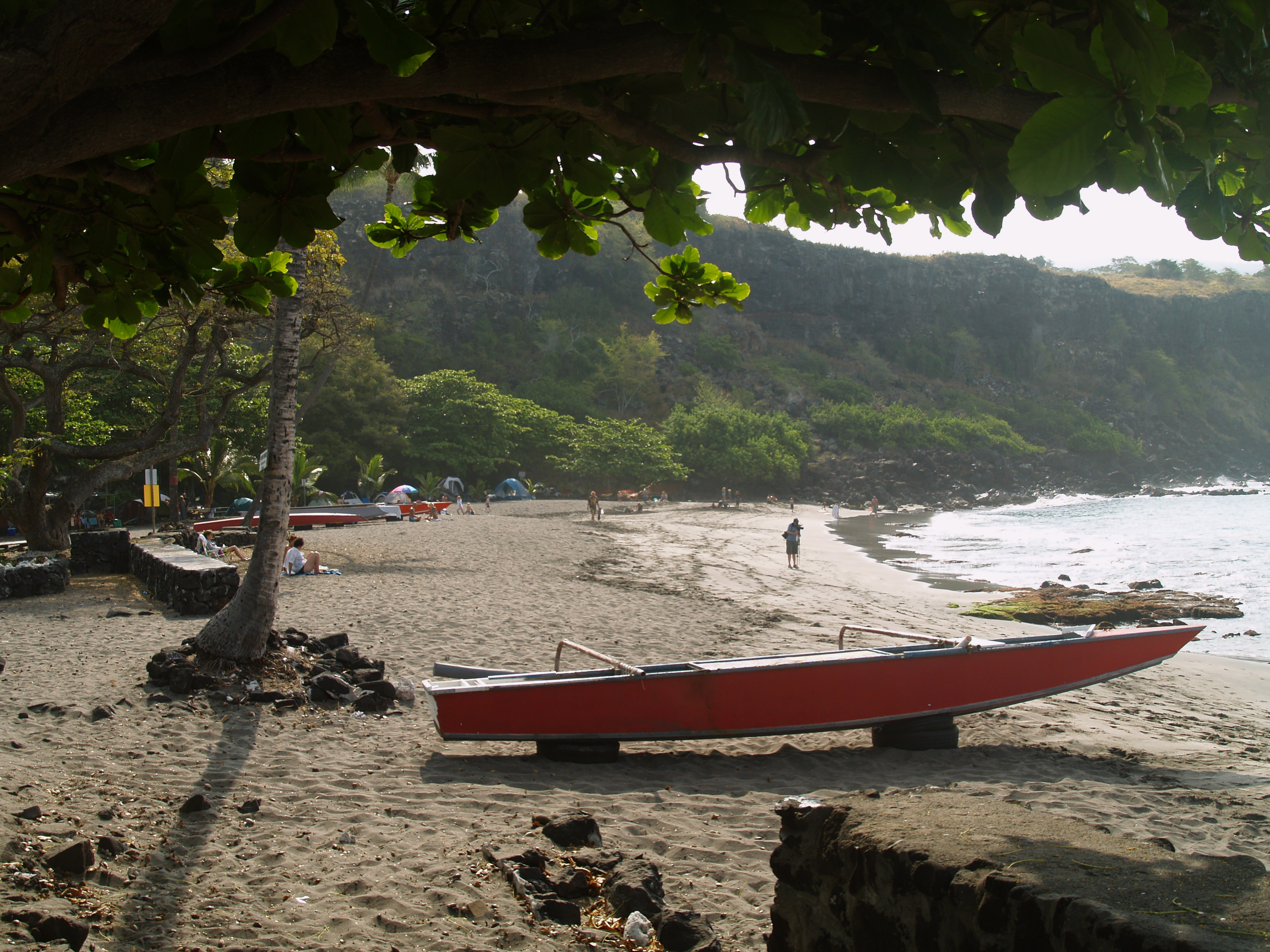
Ho'okena Beach in South Kona Is a Fabulous Beach Plunked Down in the Middle of Real Old Hawaii: Photo by Donald B. MacGowan

If you would have the profound, participate in the mysterious, experience the enrichment and connect with the healing, sacred land of Hawaii, you must step in the places those first peoples stepped; learn of the land what they learnt and then, filled with the wonder and humility that they felt, hold in your heart the reverence and offer respect that they did. They, who came by touch and smell, by feel and by knowledge passed from father to son with stories told from mother to daughter; they came to dig and plant in the soil, to fish and explore upon the sea, to live and to love and to fight and to wrestle with all the vagaries of existing at the whim of nature-they came to build a new life in a new land. This was their experience of Hawaii. They came with all the energy and intimacy of their way of life and with the all love of knowing their world, their gods, their place.

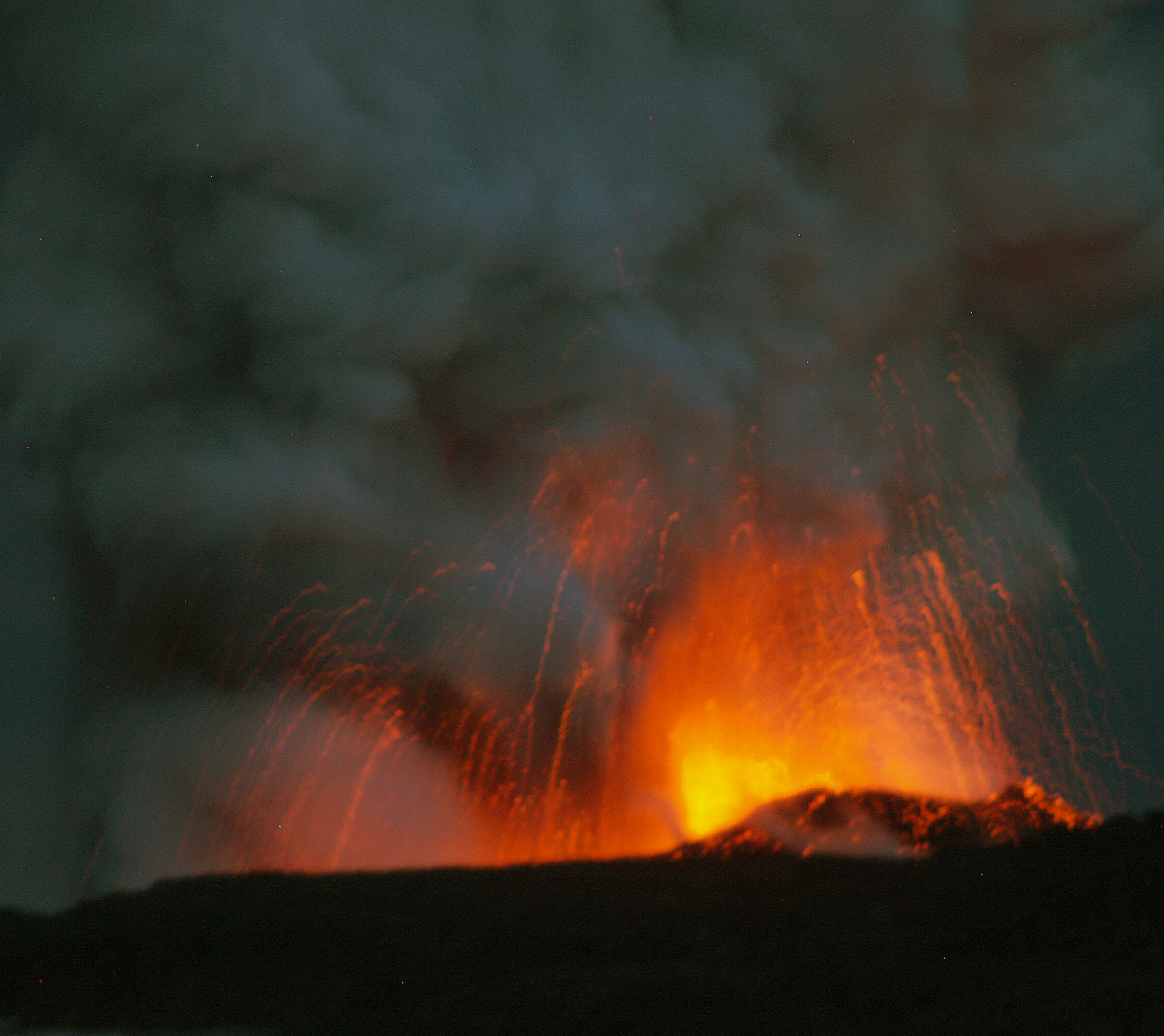
Littoral Explosions as Lava From Kilauea Volcano Flows into the Sea at Waikupanaha: Photo by Donald B. MacGowan

This is the vision, these are the eyes through which they knew Hawaii. These are the eyes through which their descendants who still live here view their home...people whose culture is so deep and so ancient that they have spoken the same tongue and named their children the same names since long before the time even my ancient Scots family name was first put into writing.

Only when you have seen as they saw, stepped where they stepped, been humbled by Hawai'i's aloha and malama aina as they were humbled, only then may you say you have known Hawaii.

Hikers Pause at the Stream Along the Beach, near the Mouth of Waipi'o Valley: Photo by Donald B. MacGowan

Hawaii is a healing place of spiritual enrichment. It is a big place, not easily seen or known, ever changing as one travels through it. Imagine yourself there, now. Imagine that it feels like a mother's love; imagine how it tastes like afternoon sunshine and it smells of hibiscus, the sea and a hint of coffee.

Now, you are visualizing aloha.

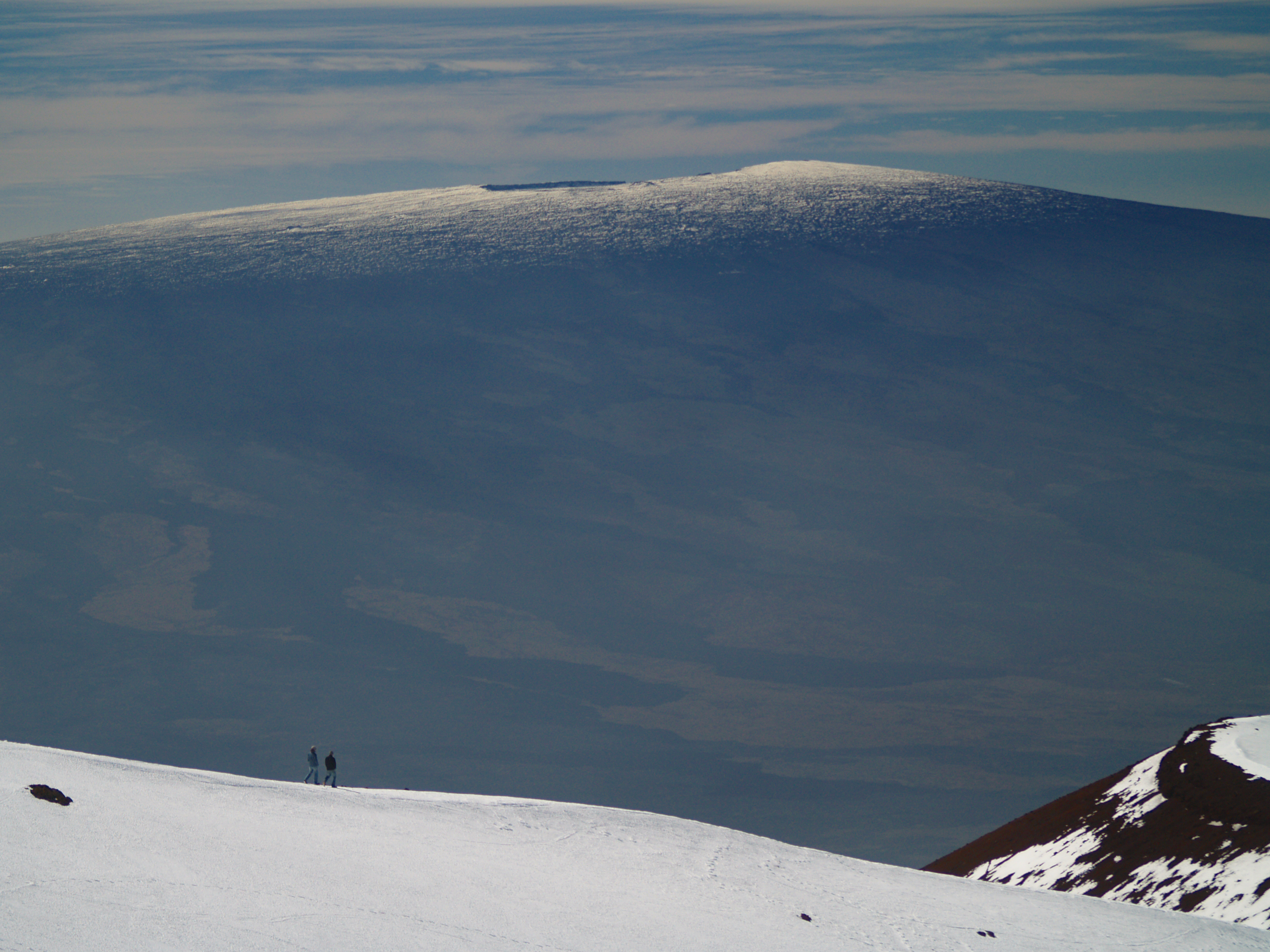
Hikers on the summit of Mauna Kea looking toward Mauna Loa: Photo by Donnie MacGowan

For more information on touring Hawaii in general and seeing the mysterious Big Island in particular, please also visit www.tourguidehawaii.com and www.lovingthebigisland.wordpress.com. For information about the author, go here.

Monday, April 27, 2009

Frank's Big Island Travel Hints #13

by Frank Burgess


Hawaii Volcanoes National Park: Chain of Craters Road

Hawaii Volcanoes National Park is one of the great natural wonders, as well the most studied volcanoes, on earth. Few places can the visitor get as many diverse climates, flora, fauna and geologic dreamscapes as inside the park’s boundaries.

Continuing down the Chain of Craters Road, there are numerous turnouts with panoramas that stretch the imagination. Tour Guide adds to the excitement with all the information about what is being seen. Take a quick stop at Alanui Kahiko. The words in Hawaiian mean old road. Here you will see portions of the old Chain of Craters Road, some 12 miles worth above and below this lookout, buried under 300 feet of lava by the 1972 eruptions. This spectacle alone is testament to the awesome destructive powers of Madam Pele, the volcano’s Fire Goddess.

A few miles further down the mountain is the Pu’u Loa Petroglyph field. It can be found along the side of the Ka’u-Puna Trail, a trail used by ancient Hawaiians. This is believed to be the largest petroglyph field in Polynesia, containing more that 15,000 carvings. The path to the petroglyphs is marked from the parking lot by cairns. Tour Guide will show you where to park and explain some of the carving’s meanings at this phenomenal spot.

At about the 19 mile marker is the current End of the Road, the location where the lava cut off the road in 1983. A year ago, you could park here and trek across the barren fields to where the lava was entering the ocean. Now, however, the lava has changed course and is sometimes entering from the Puna side of the park. There is still a ranger’s station here and many placards telling about the flows and safety precautions for hiking in the desolate area. Restrooms are available.

Walking down to the ocean at the End of the Road are some beautiful formations, most notably, the Holei Sea Arch. Tour Guide will tell you how arches and stacks are formed when the waves pound against the sea cliffs and chisel into the various lava densities. The cliff around this arch is some ninety feet, so use caution as you photograph this amazing sight.

Looking back up the mountain gives one the perspective of the destruction, yet the immaculate life giving beauty, of the fire goddess Pele who is in constant battle her sister, the ocean. Each takes life, and gives it. We as humans can stand in awe at the majesty and wonder of these two great forces, respecting each on its own terms.

As you travel back up the Chain of Craters Road, don’t forget to stop at some of the vista points and take photos and videos of the landscape, the memories and the people that are like nowhere else on earth, the Island of Hawaii.

For more information on visiting Hawaii in general and the Big Island in particular, go to tourguidehawaii.com and lovingthebigisland.wordpress.com.

Copyright 2008 by Frank Burgess. Photos and video copyright 2009 by Donald B. MacGowan. All rights reserved.

Thursday, September 25, 2008

Frank's Big Island Travel Hints #13

Hawaii Volcanoes National Park: Chain of Craters Road

Hawaii Volcanoes National Park is one of the great natural wonders, as well the most studied volcanoes, on earth. Few places can the visitor get as many diverse climates, flora, fauna and geologic dreamscapes as inside the park’s boundaries.

Continuing down the Chain of Craters Road, there are numerous turnouts with panoramas that stretch the imagination. Tour Guide adds to the excitement with all the information about what is being seen. Take a quick stop at Alanui Kahiko. The words in Hawaiian mean old road. Here you will see portions of the old Chain of Craters Road, some 12 miles worth above and below this lookout, buried under 300 feet of lava by the 1972 eruptions. This spectacle alone is testament to the awesome destructive powers of Madam Pele, the volcano’s Fire Goddess.

A few miles further down the mountain is the Pu’u Loa Petroglyph field. It can be found along the side of the Ka’u-Puna Trail, a trail used by ancient Hawaiians. This is believed to be the largest petroglyph field in Polynesia, containing more that 15,000 carvings. The path to the petroglyphs is marked from the parking lot by cairns. Tour Guide will show you where to park and explain some of the carving’s meanings at this phenomenal spot.

At about the 19 mile marker is the current End of the Road, the location where the lava cut off the road in 1983. A year ago, you could park here and trek across the barren fields to where the lava was entering the ocean. Now, however, the lava has changed course and is sometimes entering from the Puna side of the park. There is still a ranger’s station here and many placards telling about the flows and safety precautions for hiking in the desolate area. Restrooms are available.

Walking down to the ocean at the End of the Road are some beautiful formations, most notably, the Holei Sea Arch. Tour Guide will tell you how arches and stacks are formed when the waves pound against the sea cliffs and chisel into the various lava densities. The cliff around this arch is some ninety feet, so use caution as you photograph this amazing sight.

Looking back up the mountain gives one the perspective of the destruction, yet the immaculate life giving beauty, of the fire goddess Pele who is in constant battle her sister, the ocean. Each takes life, and gives it. We as humans can stand in awe at the majesty and wonder of these two great forces, respecting each on its own terms.

As you travel back up the Chain of Craters Road, don’t forget to stop at some of the vista points and take photos and videos of the landscape, the memories and the people that are like nowhere else on earth, the Island of Hawaii.

For more information on visiting Hawaii in general and the Big Island in particular, go to tourguidehawaii.com and lovingthebigisland.wordpress.com.

Friday, August 22, 2008

The Weather in Paradise!

Reprinted from here.
Point Forecast:
Kailua Kona HI
19.63N -155.95W (Elev. 1217 ft)
Last Update: 4:58 am HST Aug 22, 2008
Forecast Valid: 7am HST Aug 22, 2008-6pm HST Aug 28, 2008


Forecast at a Glance
Today

Isolated Showers Chance for Measurable Precipitation 20%
Isolated
Showers
Hi 83°F
Tonight

Isolated Showers Chance for Measurable Precipitation 20%
Isolated
Showers
Lo 67°F
Saturday

Scattered Showers Chance for Measurable Precipitation 30%
Scattered
Showers
Hi 84°F
Saturday
Night

Isolated Showers Chance for Measurable Precipitation 20%
Isolated
Showers
Lo 69°F
Sunday

Scattered Showers Chance for Measurable Precipitation 30%
Scattered
Showers
Hi 84°F
Sunday
Night

Isolated Showers Chance for Measurable Precipitation 20%
Isolated
Showers
Lo 69°F
Monday

Scattered Showers Chance for Measurable Precipitation 30%
Scattered
Showers
Hi 84°F
Monday
Night

Isolated Showers Chance for Measurable Precipitation 20%
Isolated
Showers
Lo 69°F
Tuesday

Scattered Showers Chance for Measurable Precipitation 30%
Scattered
Showers
Hi 84°F

Detailed text forecast
Today: Isolated showers after noon. Widespread haze. Partly cloudy, with a high near 83. South wind around 7 mph becoming west. Chance of precipitation is 20%.

Tonight: Isolated showers before midnight. Widespread haze. Partly cloudy, with a low around 67. South wind around 7 mph becoming east. Chance of precipitation is 20%.

Saturday: Scattered showers after noon. Widespread haze. Increasing clouds, with a high near 84. East wind at 6 mph becoming west. Chance of precipitation is 30%. New rainfall amounts of less than a tenth of an inch possible.

Saturday Night: Isolated showers before midnight. Widespread haze. Mostly cloudy, then gradually becoming mostly clear, with a low around 69. East wind around 5 mph. Chance of precipitation is 20%.

Sunday: Scattered showers after noon. Widespread haze. Mostly cloudy, with a high near 84. East wind around 5 mph becoming west. Chance of precipitation is 30%. New rainfall amounts of less than a tenth of an inch possible.

Sunday Night: Isolated showers before midnight. Widespread haze. Partly cloudy, with a low around 69. East wind around 6 mph. Chance of precipitation is 20%.

Monday: Scattered showers after noon. Widespread haze. Mostly cloudy, with a high near 84. East wind around 6 mph becoming west. Chance of precipitation is 30%.

Monday Night: Isolated showers. Widespread haze. Mostly cloudy, with a low around 69. East wind around 6 mph. Chance of precipitation is 20%.

Tuesday: Scattered showers. Widespread haze. Mostly cloudy, with a high near 84. East wind around 6 mph becoming southwest. Chance of precipitation is 30%.

Tuesday Night: Widespread haze. Partly cloudy, with a low around 68. East wind around 6 mph.

Wednesday: Scattered showers. Widespread haze. Partly cloudy, with a high near 84. East wind 6 to 8 mph becoming west. Chance of precipitation is 30%.

Wednesday Night: Isolated showers. Widespread haze. Partly cloudy, with a low around 68. East wind around 6 mph. Chance of precipitation is 20%.

Thursday: Scattered showers. Widespread haze. Partly cloudy, with a high near 84. East wind around 7 mph becoming west. Chance of precipitation is 30%.

For more information on visiting Hawaii in general, or touring the Big Island in particular, please go to www.tourguidehawaii.com and www.tourguidehawaii.blogspot.com.

Sunday, June 1, 2008

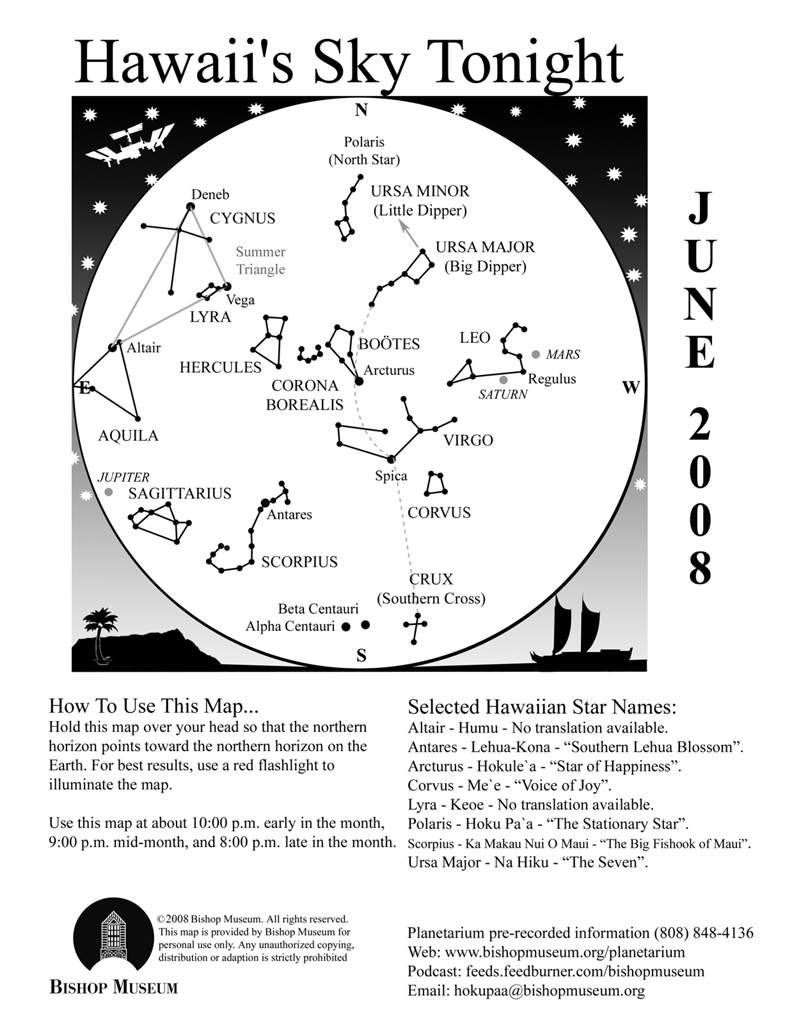
Hawaii's Sky Tonight!

This article reprinted from http://www.astroday.net/bishopsky.html

Bishop Museum Sky Map for Hawaii, June 2008

SKY GEOMETRY

The patterns we see in the sky exist only in our imagination. The points of light we group to create the shapes we call constellations are arbitrary and usually don’t have any connection with each other at all except that they happened to line up in someone’s mind at one time. The 88 “official” constellations are recognized by a group of professionals called the International Astronomical Union to help keep order and structure to the science of astronomy. Otherwise, imagine what chaos might reign—how would anyone know how to distinguish one part of the sky from another if names were random? For instance, the constellation Crater the Cup in the southern sky next to Corvus looks remarkably like my Weber grill, but I can’t very well start referring to it as such. As it is, we sometimes “shorten” the constellations anyway. Sagittarius is often referred to as the Teapot, and part of the Big and Little Bears are called the Big and Little Dippers, respectively.

Informal groupings or segments of constellations are called asterisms. They are usually parts of constellations that are more easily recognized, like the Dippers and the Teapot, and at times the references are updated. Some constellations are simply easier to recognize by these nicknames. I have heard the constellation Boötes the Herdsman referred to as a “bowtie” or “ice cream cone”, which most people relate to better.

Sometimes asterisms include groups of stars or constellations, like the Summer Triangle. Known anecdotally as a basic element of celestial navigation, the Summer Triangle is comprised of the three brightest stars in three separate constellations forming a large, distinctly triangular shape in the sky. First to rise in the east is the star Vega in the constellation Lyra the Lyre. Lyra is a small constellation that takes a bit of effort to imagine the harp-shaped instrument from the parallelogram of stars, but it is an area rich in telescopic sights. One is the famous Ring Nebula, M57—a little smoke-ring object that is the remains of a dying star seen at the center of the ring.

Vega is a white star and the fifth brightest star in the sky. Twelve thousand years ago Vega used to be our North Star, but because the Earth slowly “wobbles” (think of a spinning top, except our wobble is 26,000 years long!) the North Pole points toward different stars periodically. Right now, almost halfway through the wobble’s circle, Polaris is our North Star but in another 14,000 years Vega will take that title again.

Almost two hours after Vega rises the second point of the Triangle appears in the east in Cygnus the Swan. Although this constellation can be easily visualized as a bird, it does have an asterism associated with it. Part of the body and wingspan of the Swan is known as the Northern Cross. The star Deneb is the tail feather of the bird and is the brightest star in that constellation. Opposite from Deneb is an interesting star called Alberio. With a low powered telescope or even binoculars what looks like a single star will split into a beautiful sapphire blue and golden pair of stars.

A half hour later, Altair in Aquila the Eagle makes its appearance over the eastern horizon. Altair and Vega represent two figures in Japanese folklore that are celebrated with a national holiday in the country. Altair is the handsome herdsman Hikoboshi (also known as Kengyu) that fell in love with Orihime (Vega), the beautiful fabric-weaver. Their preoccupation with each other began to interfere with their duties, and as a result the gods separated them across a vast river in the sky. You can see that “heavenly river” in the dark sky as the white band of light called the Milky Way.

Fortunately, the story doesn’t end here—the gods heard the unhappy cries of the two lovers and took pity on them. On the seventh day of the seventh month, the two are united for one day as a flock of magpies build a living bridge to bring the two together. Today this occasion is celebrated by a festive holiday called Tanabata in Japan on July 7, although in early times this date was determined by the lunar calendar.

Following the Summer Triangle (and the parallelogram of Lyra) is the big Square of Pegasus. But because it is not included on this month’s map, I will save that “astro-geometry” lesson for another month!

The Planets

Earth:

Summer kicks off, at least astronomically, with the solstice on June 20. At 2:00 P.M. HST the sun crosses from the southern hemisphere into the northern hemisphere, marked by the celestial equator. (The celestial equator is an imaginary line that extends the Earth’s equator into space)

Mercury:

Mercury is passing in front of the sun for most of the month and will reappear in the morning sky during the last week of June. It hangs over the red “bull’s eye” of Taurus in the light of the rising sun.

Venus:

Venus is behind the sun right now, what is referred to as superior conjunction. It will be another month before it will appear back in the evening sky and blaze in the west after the sun sets.

Mars:

Mars quickly moved from Gemini through Cancer last month and will settle in the constellation Leo during June. Saturn has also been a resident of Leo recently and the two planets are heading for a conjunction in July. You can watch the Red Planet edge closer to yellowish Saturn over the month, with Regulus (the brightest star in Leo) in the middle.

The NASA mission to Mars, called Phoenix (see May’s article) will make its descent to Mars on May 25. Unfortunately I cannot update the status of this mission because this article is filed before this date, but I will definitely talk about Phoenix next month.

Jupiter:

The King of Planets rules the night, shining brighter than any other object besides the Moon this month. Jupiter rises by 10:00 P.M. in early June and about two hours earlier by the end of the month. On June 18, the full Moon enters Sagittarius, the same constellation as Jupiter, and the next evening the waning Moon moves just south of the giant planet.

Saturn:
Look for Saturn high in the west at nightfall during the first half of June, then only about halfway up in that direction by the end of the month. The rings of the gas planet is continuing to tip edgewise to our line of sight and well worth watching over the upcoming months. You will need a telescope to really appreciate this sight, however.

Questions? Contact Carolyn Kaichi @ hokupaa@bishopmuseum.org or 847-8203.

For information ad videos about visiting Hawaii in general and touring the Big Island in particular, visit www.tourguidehawaii.com and www.lovingthebigisland.wordpress.com.

Thursday, May 15, 2008

Frank's Big Island Travel Hints #13

Hawaii Volcanoes National Park: Chain of Craters Road

Hawaii Volcanoes National Park is one of the great natural wonders, as well the most studied volcanoes, on earth. Few places can the visitor get as many diverse climates, flora, fauna and geologic dreamlands as inside the park’s boundaries.

Continuing down the Chain of Craters Road, there are numerous turnouts with panoramas that stretch the imagination. Tour Guide adds to the excitement with all the information about what is being seen. Take a quick stop at Alanui Kahiko. The words in Hawaiian mean old road. Here you will see portions of the old Chain of Craters Road, some 12 miles worth above and below this lookout, buried under 300 feet of lava by the 1972 eruptions. This spectacle alone is testament to the awesome destructive powers of Madam Pele, the volcano’s Fire Goddess.

A few miles further down the mountain is the Pu’u Loa Petroglyph field. It can be found along the side of the Ka’u-Puna Trail, a trail used by ancient Hawaiians. This is believed to be the largest petroglyph field in Polynesia, containing more that 15,000 carvings. The path to the petroglyphs is marked from the parking lot by cairns. Tour Guide will show you where to park and explain some of the carving’s meanings at this phenomenal spot.

At about the 19 mile marker is the current End of the Road, the location where the lava cut off the road in 1983. A year ago, you could park here and trek across the barren fields to where the lava was entering the ocean. Now, however, the lava has changed course and is sometimes entering from the Puna side of the park. There is still a ranger’s station here and many placards telling about the flows and safety precautions for hiking in the desolate area. Restrooms are available.

Walking down to the ocean at the End of the Road are some beautiful formations, most notably, the Holei Sea Arch. Tour Guide will tell you how arches and stacks are formed when the waves pound against the sea cliffs and chisel into the various lava densities. The cliff around this arch is some ninety feet, so use caution as you photograph this amazing sight.

Looking back up the mountain gives one the perspective of the destruction, yet the immaculate life giving beauty, of the fire goddess Pele who is in constant battle her sister, the ocean. Each takes life, and gives it. We as humans can stand in awe at the majesty and wonder of these two great forces, respecting each on its own terms.

As you travel back up the Chain of Craters Road, don’t forget to stop at some of the vista points and take photos and videos of the landscape, the memories and the people that are like nowhere else on earth, the Island of Hawaii.

Friday, March 21, 2008

Maka O Hule Heiau, the Stonehenge of the Big Island, Hawaii


Maka O Hule Point: Navigational Heiau at Mahukona Point

Near mile marker 15 on the Akoni Pule Highway is a unique navigational heiau of standing stones arranged to point to Tahiti and the other Polynesian islands.

Sometimes referred to as "the Stonehenge of Hawaii", this one of a kind temple is reached via a short, easy stroll long the dirt road leading north, away from Mahukona Beach Park on the Kohala Coastline. Lovely vistas along deep, cerulean and clear coves lead to a short scramble up an obvious dirt trail to the heiau.

Among the stones, one can sense the reverence and wonder of the Hawaiians as they initiated their novice navigators in this sacred spot of stones pointing along unbroken vistas to Tahiti, the Marquesas and the other Southern Islands. This is a spot for contemplation and awe. Wonderful and startling sunset photos with the stones in the foreground can be taken here, but be respectful and do not walk within the temple precincts.

This heiau is most easily accessed from Mahukona Beach Park, although one can also hike down from the makai, or ocean side of the Akoni Pule Highway near mile marker 15.

For further information, visit www.tourguidehawaii.com, www.lovingthebigisland.wordspot.com and www.tourguidehawaii.com.

Sunday, March 9, 2008

Hike to Green the Sand Beach at South Point on the Big Island of Hawaii


Haunting, windswept, wild, empty, beautiful. Imagine the gratitude and wonder of the first Polynesians who, after voyaging at sea without sight of land for more than a month, finally made land here at Ka Lae. This sweeping landscape arches openly and inviting from the tumultuous shore break at Ka Le to the icy heights of Mauna Loa's summit almost 14,000 feet above.

For more information on the romance of Hawaii and finding solitude, adventure and independence in Paradise, visit www.tourguidehawaii.com.

Today's Weather in Paradise

Point Forecast: Kailua Kona HI
19.63N -156W (Elev. 0 ft)
Last Update: 4:43 am HST Mar 9, 2008
Forecast Valid: 6am HST Mar 9, 2008-6pm HST Mar 15, 2008


Forecast at a Glance
Today

Sunny
Sunny

Hi 78°F
Tonight

Mostly Clear
Mostly
Clear
Lo 72°F
Monday

Sunny
Sunny

Hi 78°F
Monday
Night

Mostly Clear
Mostly
Clear
Lo 73°F
Tuesday

Sunny
Sunny

Hi 78°F
Tuesday
Night

Partly Cloudy
Partly
Cloudy
Lo 73°F
Wednesday

Sunny
Sunny

Hi 78°F
Wednesday
Night

Partly Cloudy
Partly
Cloudy
Lo 73°F
Thursday

Slight Chance Showers Chance for Measurable Precipitation 20%
Slight Chc
Showers
Hi 78°F

Detailed text forecast
Today: Sunny, with a high near 78. East wind 5 to 7 mph becoming west.

Tonight: Mostly clear, with a low around 72. West wind at 7 mph becoming east.

Monday: Sunny, with a high near 78. East wind at 8 mph becoming west.

Monday Night: Mostly clear, with a low around 73. Calm wind.

Tuesday: Sunny, with a high near 78. Light west wind.

Tuesday Night: Partly cloudy, with a low around 73. Calm wind.

Wednesday: Sunny, with a high near 78. West wind around 7 mph.

Wednesday Night: Partly cloudy, with a low around 73. Calm wind.

Thursday: A 20 percent chance of showers. Mostly cloudy, with a high near 78. West wind around 5 mph.

Thursday Night: A 20 percent chance of showers. Partly cloudy, with a low around 73. Calm wind.

Friday: A 20 percent chance of showers. Partly cloudy, with a high near 78. West wind around 5 mph.

Friday Night: A 20 percent chance of showers. Partly cloudy, with a low around 73. South wind around 5 mph.

Saturday: Scattered showers. Mostly cloudy, with a high near 80. Southeast wind around 7 mph. Chance of precipitation is 30%.

For more detail on weather, go here. For more information of seeing Paradise and enjoying finding solitude, adventure and independence in Hawaii, visit www.tourguidehawaii.com.
 

Casino Bonus no Deposit