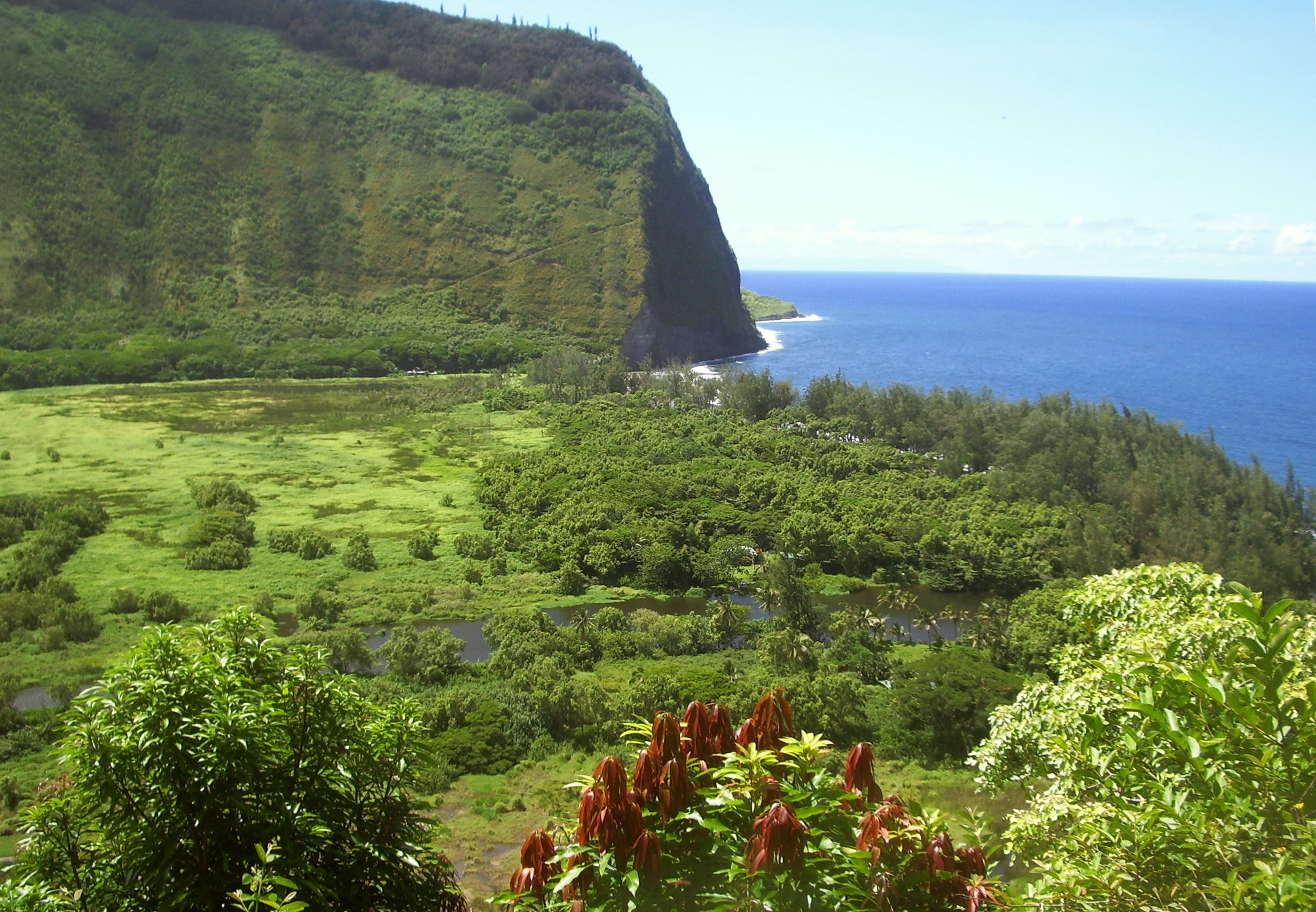
Showing posts with label waterfalls. Show all posts

Saturday, October 10, 2009

Hilo Askance

by Donald B. MacGowan

Hilo From the Air: Photo by Donnie MacGowan
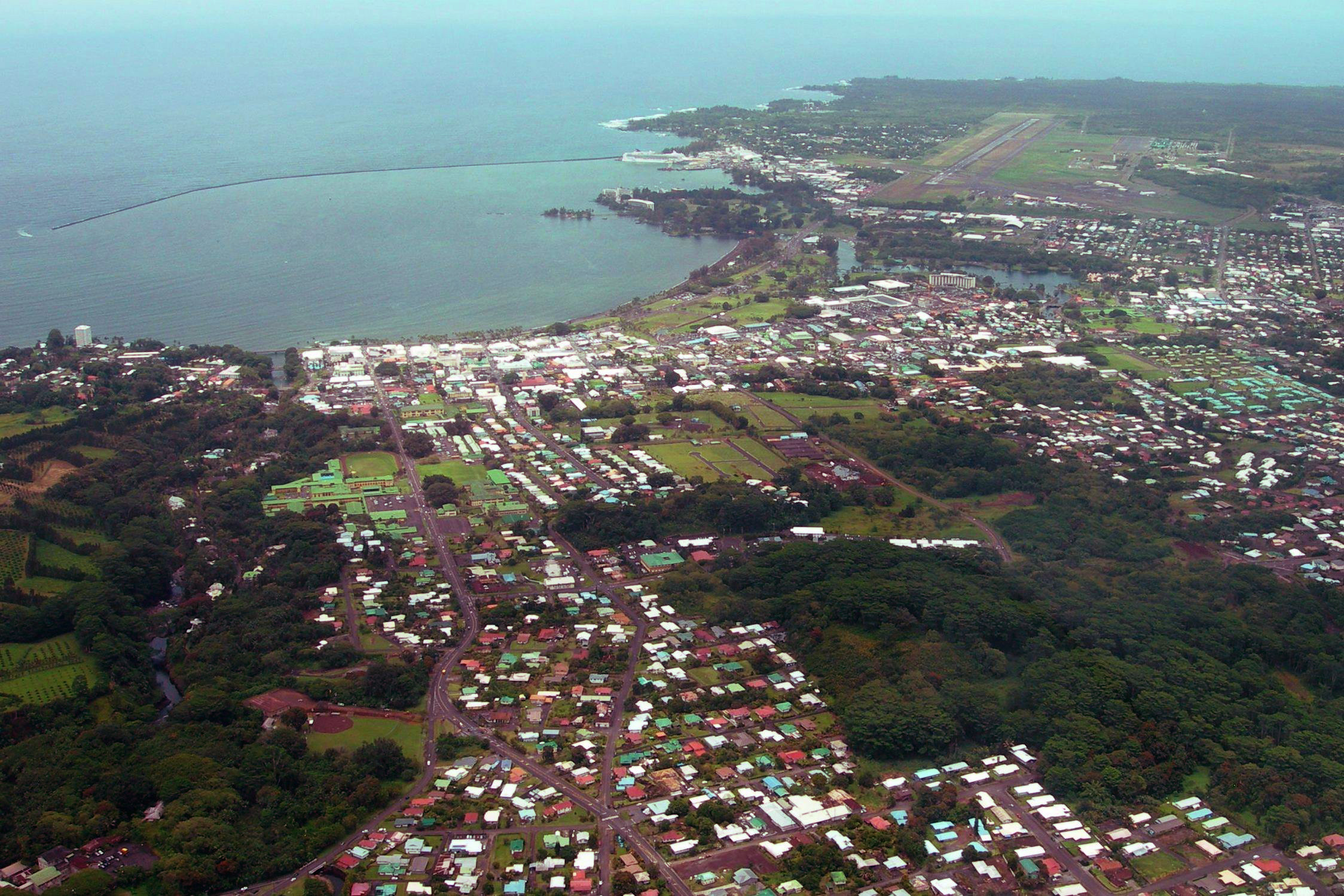

Beautiful but wet, metropolitan but decrepit, bustling but laid back, Hilo is a lovely, maddening, heartbreaking, addictive study in contrasts.

In can rain all day long for 50 days in a row, yet when the sun does shine, the views of Mauna Loa and Mauna Kea from the Liliuokalani Gardens, or of Hilo Bay as you drive down from the mountains on Kaumana Drive, or the waterfall and flower choked jungle gulches leading to lovely small beaches along the highway north of town, make Hilo one of the most truly, achingly lovely spots on earth.

Rainbow at Lokawaka Fishpond, Hilo: Photo by Donnie MacGowan
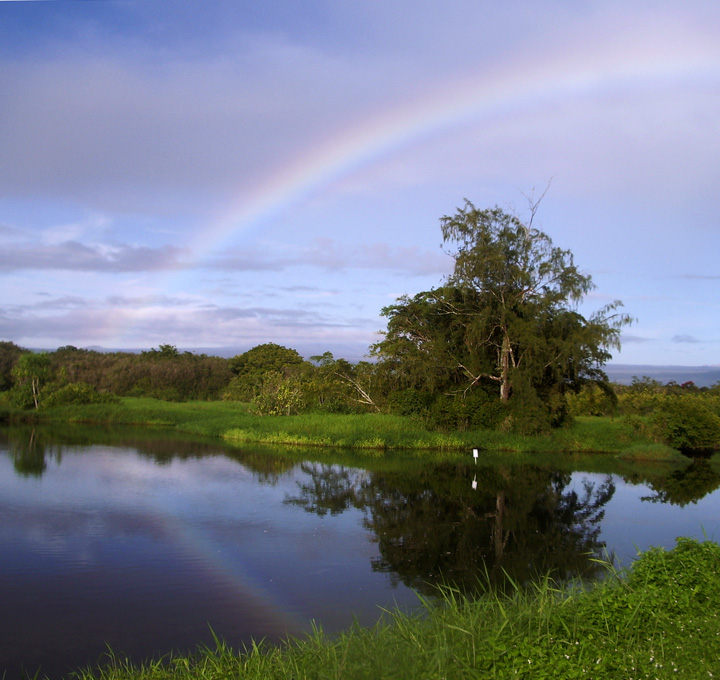

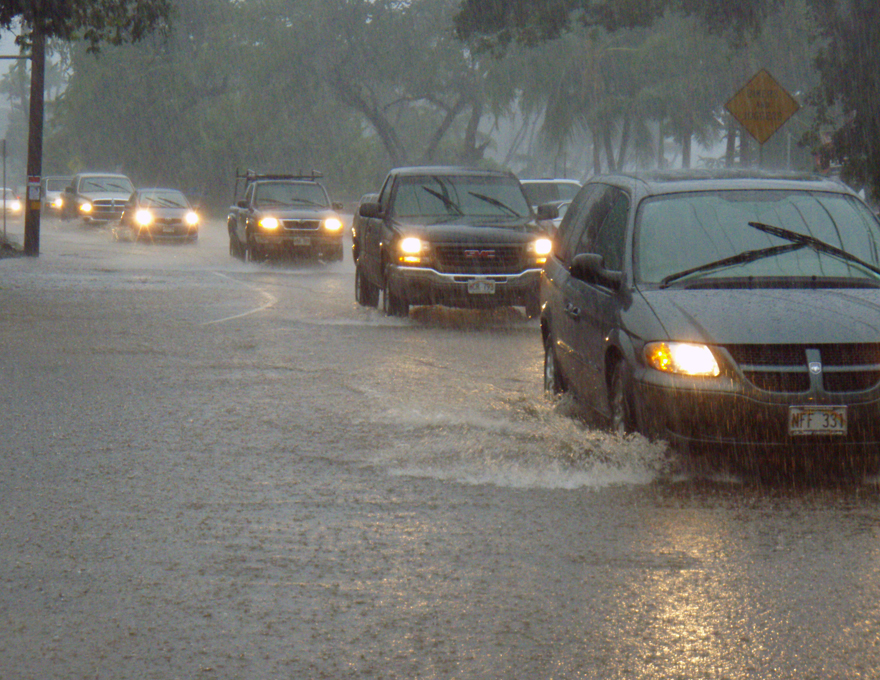
The wettest city in America, Hilo is about rain; Hilo is humid and moldy. Hilo is poor; Hilo is dirty, littered and unkempt.

In Hilo, the Skies Just Open...For Days at a Time: Photo by Donald B. MacGowan

Even where tourists are expected to congregate, street trash blows, drug merchants abound and mildew, flapping tin roofs and peeling paint are omnipresent. Hilo's public restrooms, on the whole, are a disgrace.

Although it Boasts a Modern Mall and Small Downtown Shopping District, Much of Hilo's Commercial District Are Fairly Disreputable Looking: Photo by Donnie MacGowan
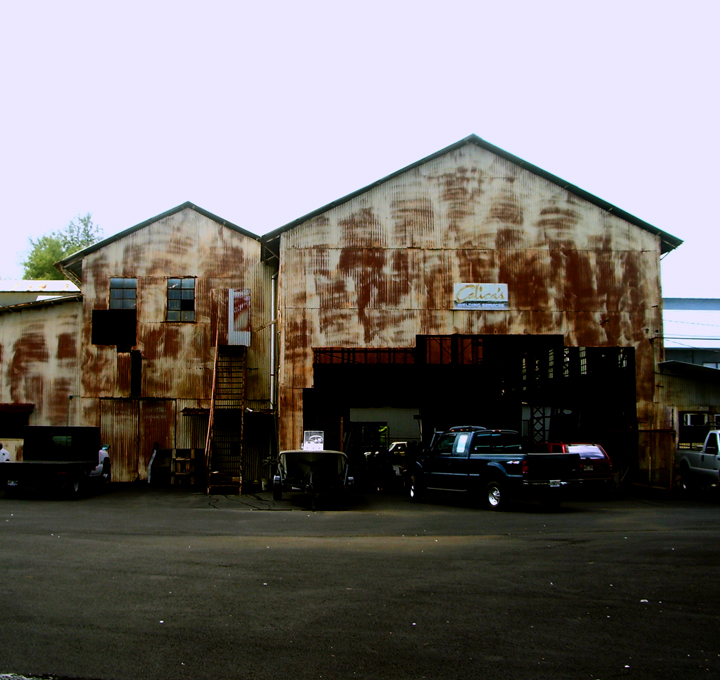

The Hilo area's reputation was so bad among early native Hawaiian that when Kamehameha the Great wanted to build a fleet of 10,000 war canoes in secret to invade Maui, he looked around Hawaii to see where such massive construction could be undertaken without danger of spies or locals seeing. The Hilo area was so universally shunned and abjectly empty that her bay was the perfect place to build and hide the largest fleet of warships the central Pacific Ocean would see until the Second World War.

The Deadly Tsunami of 1960 Stopped This Clock in Hilo; The Clock Now Stands As A Memorial To those Who Lost Their Lives: Photo by Donnie MacGowan
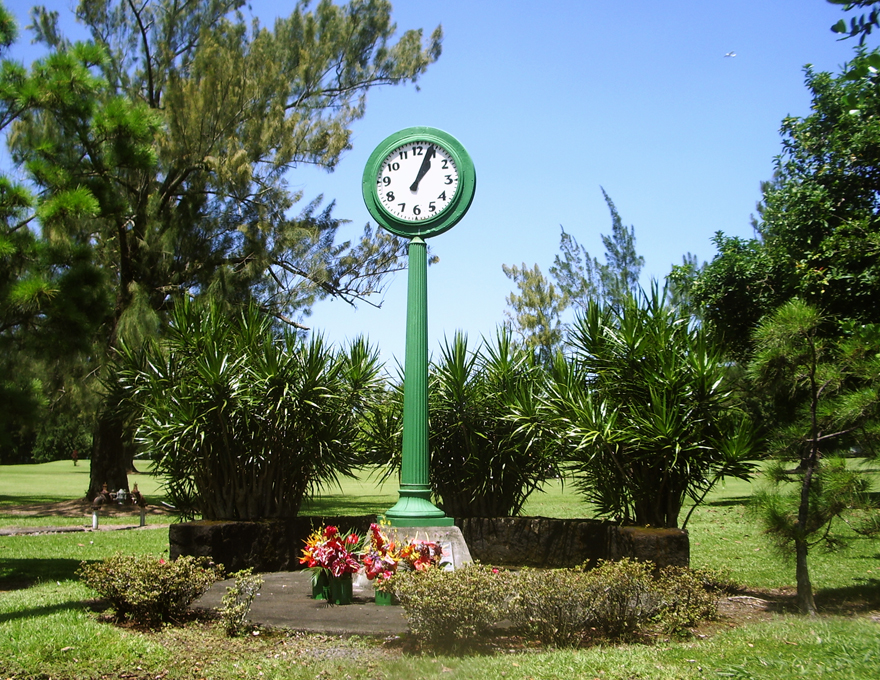

Hilo bears the scars of killer tsunamis and racial intolerance.

Hilo's Numerous Waterfall, Beach and Open Space Parks Are Inviting and Attractive: Photo by Donnie MacGowan
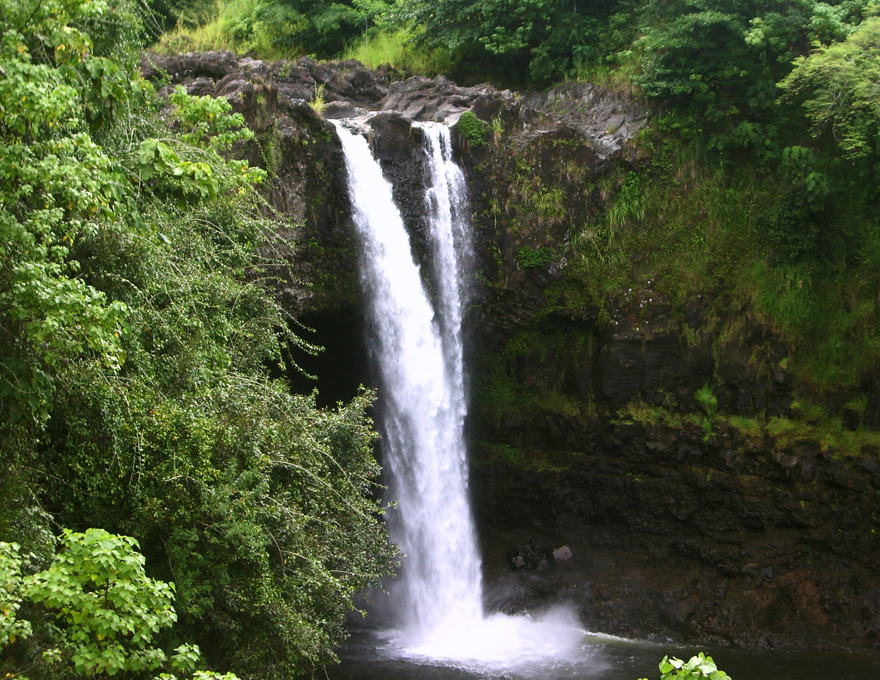

Hilo was built by the sweat of immigrants, threatened by volcanoes, destroyed by tsunami and built again. Hilo deeply reflects the passion, mystery and flavors of her imported cultures; like her fiercely loyal citizens, Hilo's culture represents a broad mix rather than pointed differences. Hilo is about family and love and fun. Under festive lights, Hilo's streets echo with the sound of neighborhood parties, backyard jam sessions, laughter. The mind-blowing fusion of multi-ethnic musical styles boils over in Hilo's unique and varied local music scene. A bit like Nashville, in Hilo everybody seems to play an instrument, everybody seems to be recording an album—and they are all magnificent joys. How is this possible?

Hilo is About Fun; Boiling Pots at Wailuku River Rark:Photo by Donnie MacGowan
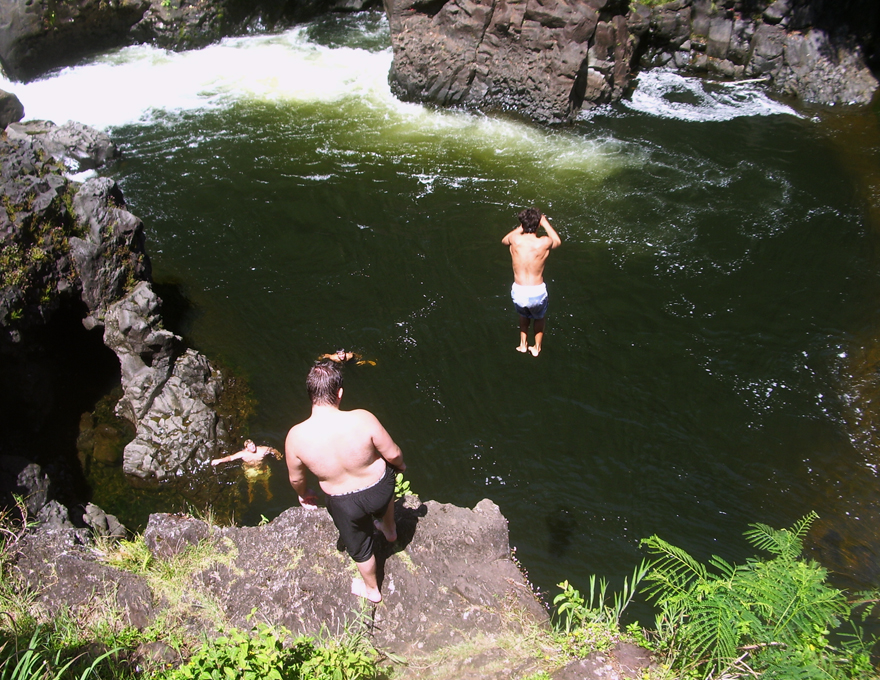

Hilo has one of the best small-town farmer's market in the United States of America.

Hilo Has One of the Most Amazing Farmer's Market's of Any Small Town in the US: Photo by Donnie MacGowan
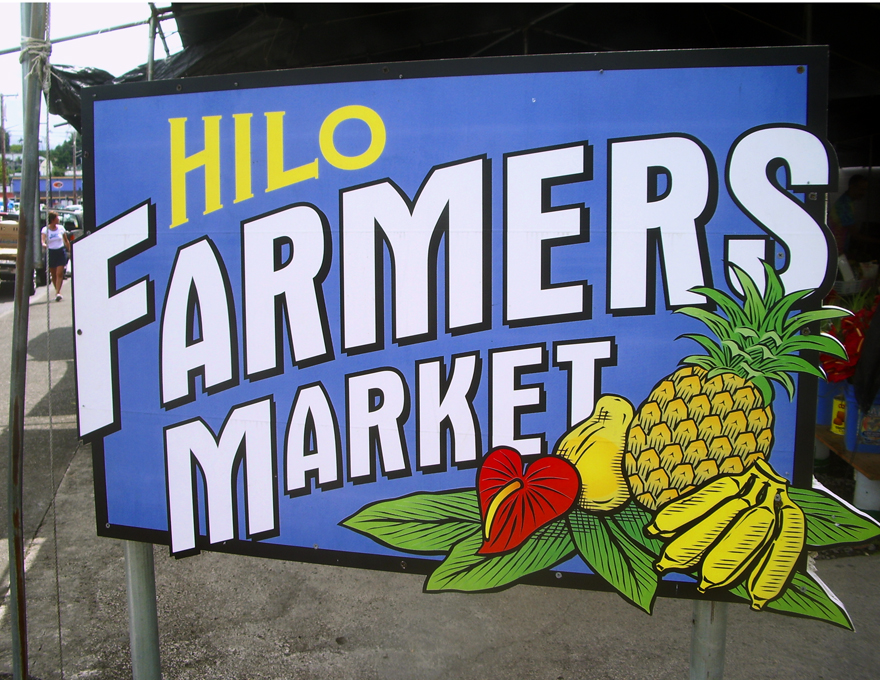

You will not eat a better meal in the Pacific than those had in many of the tiny family restaurants in Hilo's Old town...nor will you find a more varied palette of cuisines in any major US city than in Hilo.

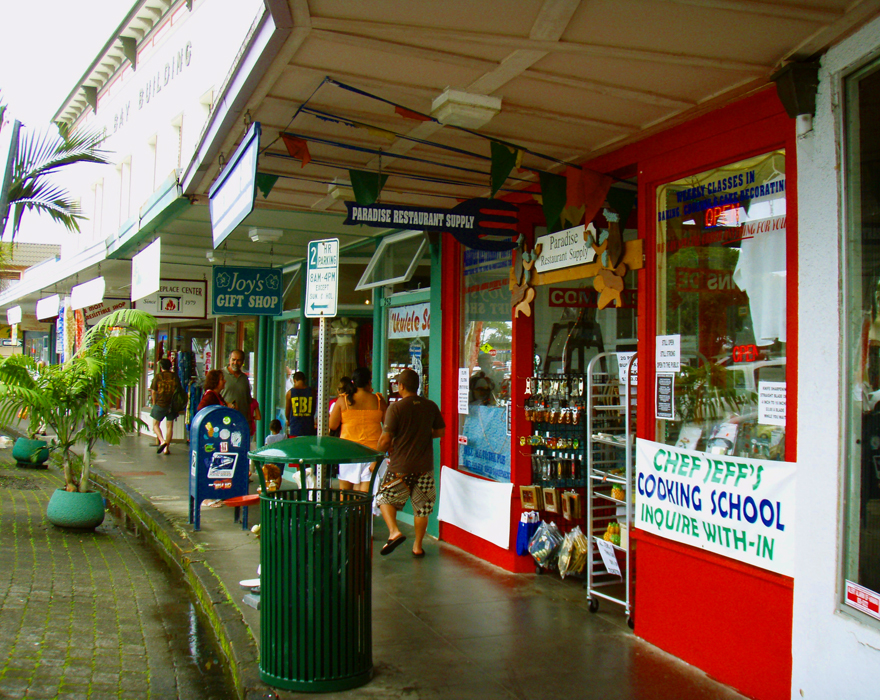
Hilo's Bay Front Shopping and Dining District is a Bright Spot of Prosperity Surrounded by Urban Blight: Photo by Donald B. MacGowan
Hilo's Downtown Bay Front Shopping and Dining District is a Bright Spot of Prosperity Surrounded By Urban Blight: Photo by Donald B. MacGowan
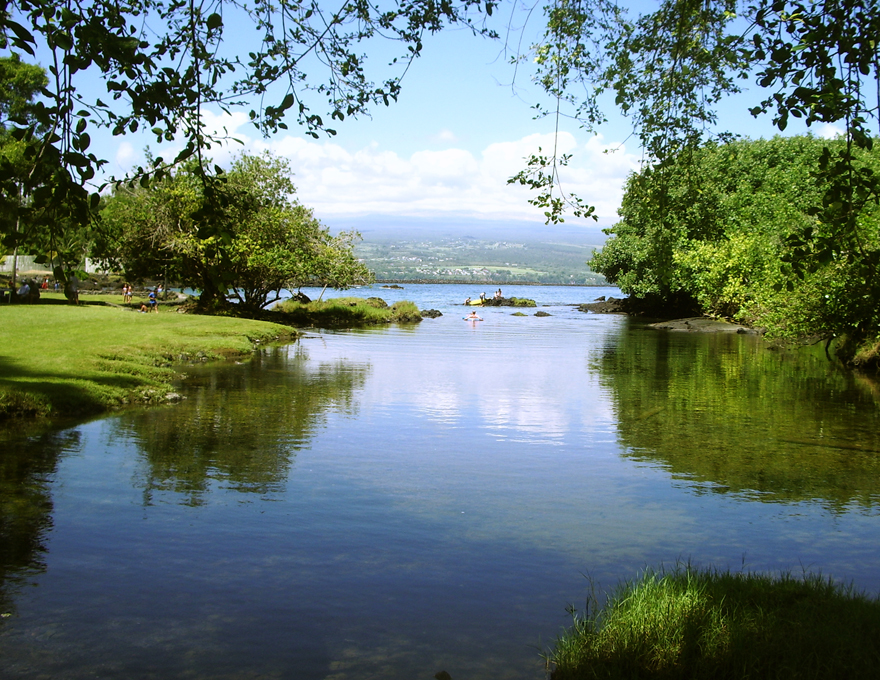
Hilo has among the most stunning waterfalls and loveliest beach parks in the world within her city limits.

Hilo is Justly Famous for its Many Gorgeous Bay Front and Ocean Beach Parks: Photo by Donald B. MacGowan

On some days, people say the shadows appear a bit deeper and it feels like Hilo is made of steam and myth and half-remembered visions. One gets the feeling, even after living in Hilo for years, that there is vague intrigue boiling, a dimly heard dance or beating heart, just below the surface. You should trust these feelings.

Even the Longtime Resident Sometimes Catches the Vague Whiff of Mysterious, Secret and Hidden Things Afoot in Hilo--Not All of Which Go On at Apuni Center: Photo by Donald B. MacGowan


The seat of political power in Hawai’i County, Hilo is experiencing a long, painful slide into economic and physical decline. Having long since lost the war of social vigor, the battle for tourists and the struggle for attracting new residents and industry to Hawai’i’s newer, cleaner and much sunnier West Side, Hilo seems content to sit back on her mildewing laurels as the once-prosperous center of the sugar industry in an era long gone by, dictating policy and politics to the rest of the island while consuming the vast majority of Hawaii's resources and swallowing the lion's share of the taxes.

Hilo From the Northwest, Over the Bay: Photo by Prescott Ellwood
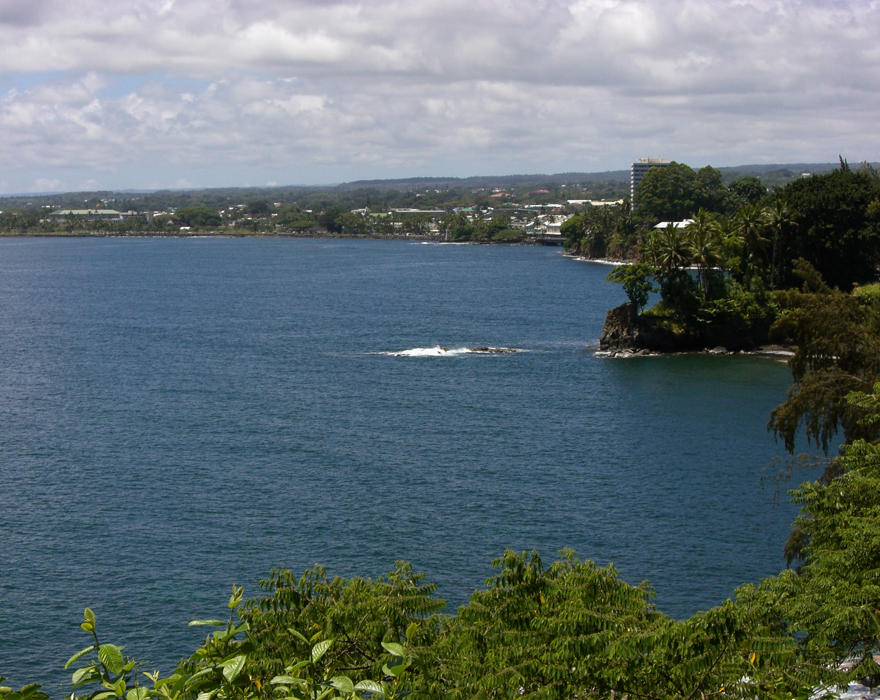

Yet, even in her dissipation and decay, Hilo is lovely, interesting and intriguing. Like a courtesan in her declining years, who, having squandered her riches, is forced to live off the charity of her wealthier relations, Hilo is still presentable, but far more notable for her raucous, and slightly ribald, tales of past glory.

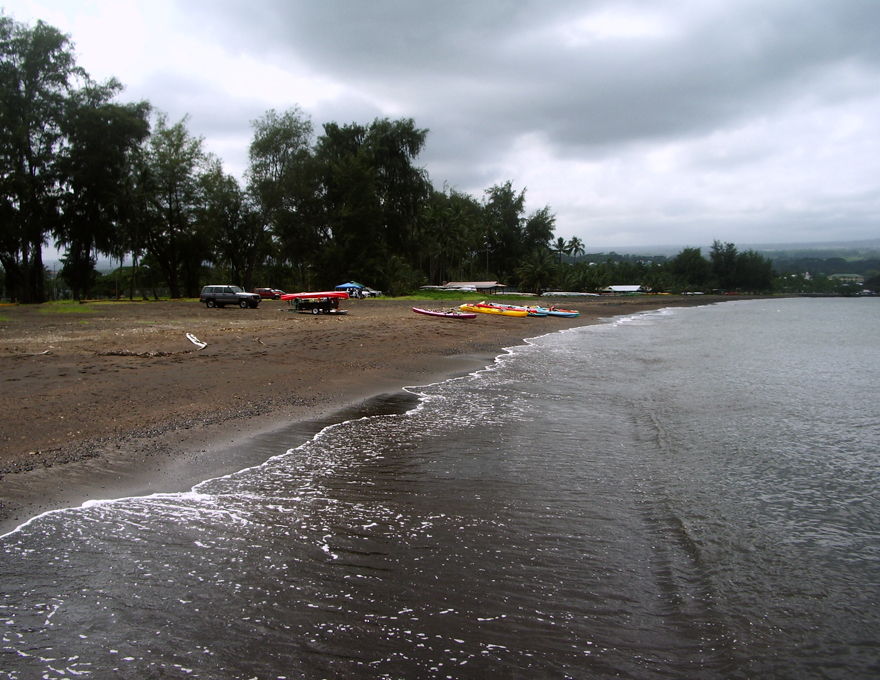
Hilo's Lovely Black Sand Beach Was Once Over A Mile Long Until They Covered It With A Highway: Photo by Donald B. MacGowan
Hilo's Mile Long Black Sand Beach Was a Scenic Wonder, a Huge Tourist Magnet and an International Marvel Until they Covered Most of it with a Highway: Photo by Donnie MacGowan
For more information on traveling to Hawaii in general, and exploring the Big Island in particular, please also visit www.tourguidehawaii.com and www.lovingthebigisland.wordpress.com. To see a demonstration of Tour Guide's new, interactive, GPS-enabled video tour of the Big Island for the iPhone and iPod Touch, please visit here. For more information about the author, please go here.

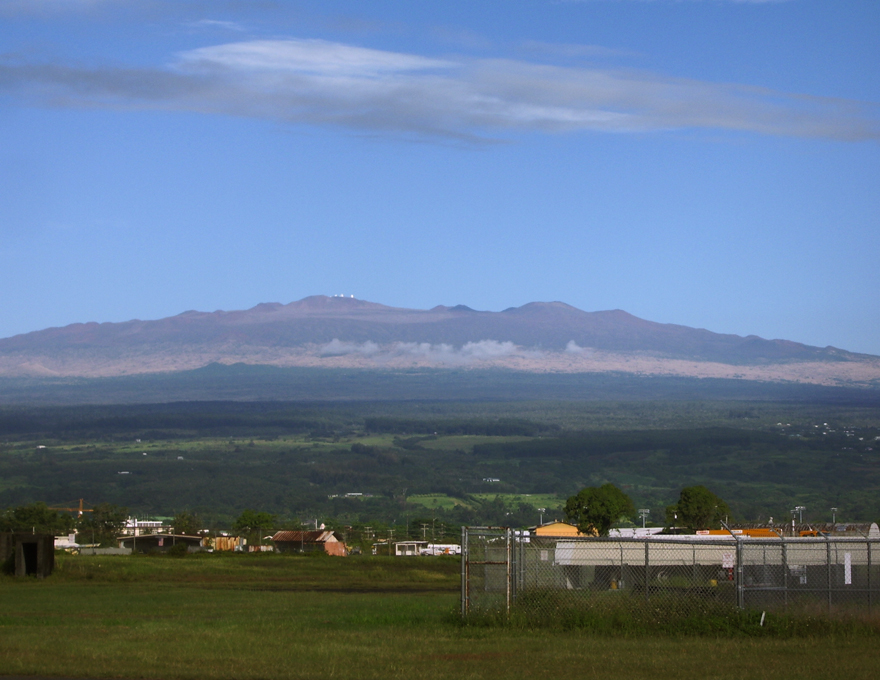
Mauna Kea from Hilo Airport: Photo by Donnie MacGowan

Thursday, January 1, 2009

Frank's Big Island Travel Hints #6: Waimea and the Hamakua Coast


For a third day of driving, it’s time to explore the east side of the Big Island. Hilo is known to be one of the wettest cities in the U.S and tropical rainforest extends from the Puna district, south of Hilo, all the way to the northern tip of the island. Here, Tour Guide will show you the favorite sights and the out-of-the-way places as well.

Super tip: For this leg of your tour you should bring some rain gear. Umbrellas or panchos are the easiest ways to get a little protection. It tends to rain off and on throughout to day on the east side.

Leaving Kona, take Hwy 190 up the mountain for some panoramic views of the Kohala Coast. It’s about a 45 minute drive to Waimea, which is a good place to stop for breakfast or at the grocery store if you haven’t stocked your cooler already. Tour Guide will have all the info on museums, an arboretum as well as shopping and up-country activities in Waimea. Here you’ll also connect to Hwy 19.

Continue on Hwy 19 north and view the scenic rolling pasturelands of the Parker Ranch, one of the largest privately owned ranches in the U.S. About 20 minutes drive brings you to the town of Honoka’a. Turning left, and going through town, you’ll find more great shops, antique stores and restaurants. Nine miles on Hwy 240 brings you to Waipi’o Valley. This is one of the most photographed areas in the state. This 20 mile stretch between Waipi’o and Pololu is often called “Hawaii untouched”, boasting the largest waterfalls in the state, but can only be viewed by air tours or multi-day hikes. Tour Guide will tell you why this area was sacred to the ancient Hawaiians. You can also find out about air tours in Tour Guide’s activities section.

Head back toward Honoka'a Hwy 19 and turn southbound toward Hilo along the Hamakua Coast. This area was once all sugar cane fields but now many diversified agricultural crops are grown here. The first crop you will see is eucalyptus. Acres and acres of this fragrant tree yield sap for medicines and perfumeries all around the world. There is a rainforest preserve, Kalopa Park, just 3 miles upslope from the hwy. It’s tricky to find, but Tour Guide will show you the way to this peaceful cabin camp spot with horseback riding and bird watching.

As you continue driving south, you cross many bridges over gorges and valleys, many of which have viewable waterfalls and rivers that empty into the ocean. Don’t forget to stop and get some pictures this unique scenery. The terrain is lush and green with a huge variety of tropical flowers. Other crops also come into view such as mangoes, papayas, ginger and bananas. Tour Guide will tell you about the trains that used to transport sugar cane to the mills near Hilo and you can stop and see the train museum along the way.

Next up is one of the most famous and beautiful waterfalls in Hawaii, Akaka Falls, a 420 ft. fall, which is just 3 miles off the hwy, but worlds away. The one mile hike on a paved trail through the rainforest will pass two smaller waterfalls as well as orchid, heleconia, plumeria and other tropical plants. Tour Guide will tell the history of this area as well.

For more information on visiting Hawaii in general and touring the Big Island in particular, go to www.tourguidehawaii.com and here.

Monday, December 15, 2008

What Do I Do on the Big Island? Visit the Beautiful Waterfall Parks of Windward Hawaii

Reprinted from here.

The windward side of Hawaii Island is famous for its numerous, beautiful waterfalls. Flying into Hilo on rainy day, one is presented with the incredible vision of an island seeming brimming with waterfalls, spuming off from every declivity, crack and canyon in the beach cliffs. Many of these waterfalls are inaccessible, or available for view only by paying admission, but three of the loveliest are located in public parks, either within the city limits of Hilo, or with an easy drive from town.

Rainbow Falls
The subject of recent and ancient legend, Rainbow Falls is the lovely emblem of Hilo town. Located in the Wailuku River Park along Rainbow Drive off of Waianuenue Avenue in Hilo Town, Rainbow falls is easily visited by car, public transportation or foot from town. The cave beneath Rainbow Falls is said to have been the home of Hina, mother of the demigod Maui, who brought fire to mankind. It is also said to be the place where Kamehameha buried his father's bones. The characteristic wishbone shape of Rainbow falls is best seen at moderate river flows...too little water and only a single drizzle remains, too much runoff and the falls merge into a single, roaring flume. At any time, however, it's a beautiful place and worthwhile to visit. Waianuenue in Hawai'ian means "rainbow in waterfall", and just about every village in Hawai'i large enough to have paved roads, has a "Waianuenue Street". This particular waterfall was called "Waianuenue" by the ancient Hawai'ians, and remains the reigning queen of its namesake. A remarkable and lovely waterfall, the rainbows within it, which are the emblem of the state of Hawai'i, are best seen in the mid to late morning. Follow the trail to the left along the river bank to delightful swimming and wandering; please note, however, that swimming in rivers and near falling water is dangerous. Don't go in if the current is swift or if recent rains have swollen the river.

Boiling Pots and Pe'epe'e Falls
Wild swimming, a jungle of ferns and blossoms, A wild waterfall surrounded by forest solitude and a raging river, all within a few miles of downtown Hilo, Boiling Pots and Pe'epe'e Falls are located in the Wailuku River Park just mauka (uphill) of Rainbow Falls. Boiling pots is a short section of rapids in the Wailuku River between Pe'epe'e Falls and Rainbow Falls that is popular with locals for swimming, cliff diving and body surfing the rapids. Set in an emerald jungle canyon, the river is an open invitation to cool off for visitors who may be unaccustomed to Hilo's climate of fierce heat and unrelenting humidity. If swimming is in your plans, however, be very, very careful; conditions at Boiling Pots are not as benign as they seem and can change instantly with a minor cloudburst miles upstream, that you won't ever know about until the river fills to flood stage. Follow the dirt path past the "No Swimming" signs down into the canyon for access to the swimming holes. There are also many flat rocks you can lie out on and absorb that wonderful Hawai'i sunshine if the swimming is not inviting. If sight seeing, and not swimming, is your agenda, content yourself with a walk to the scenic overlook, from which the boiling pots and Pe'epe'e Falls can be seen. In low water conditions, it is possible to hike up-river and over to Pe'epe'e Falls for some guaranteed solitude and fairly untraveled vistas. Otherwise, Pe'epe'e Falls can be found by following roads along the Wailuku River to the last bridge above Boiling Pots; the falls are easily visible from the bridge and the hike is mercifully short and easy-although a haven for mosquitoes.

Akaka Falls
There is a reason that Akaka Falls rates as the most visited tourist site on the island of Hawai'i. Simply put, the 420 foot, free falling plunge of clear water down a fern festooned cliff is an amazing and beautiful site. Leaving the parking lot, the loop trail immediately splits. Going left through fern, ginger, impatiens and bamboo, one reaches Akaka Falls in 5-8 minutes of ambling. If you turn right, the trail loops up and down some hills, through a wonderful jungle of flowers, ferns, heliconia, palms and bamboo to 100 foot tall Kahuna Falls in about 15 minutes of walking; Akaka Falls is then reached by following the same path another 5 minutes and 5-8 minutes after that you are back at the parking lot. If you are lucky, and approach Akaka Falls on a sunny morning when the sun shines into to grotto, you may be blessed with seeing rainbows in the falls, or waianuenue, the lovely icon of Hawaii. When visiting Akaka Falls, be sure to save some time to explore the shops, galleries and cafes in the town of Honomu on the way back to the highway; it's unlike anywhere you've ever been before...guaranteed; old Hawaii with a modern flair.

For more information on traveling to Hawaii in general or touring the Big Island in particular, visit www.tourguidehawaii.com and www.lovingthebigisland.wordpress.com.

About the Author
Popular television personality and award-winning independent filmmaker Dr. Donald B. MacGowan originally pursued a career in academics, earning two B.Sc. degrees, a dual M.Sc., and a PhD.; co-authoring over 5.2 million dollars in grants, and publishing more than 200 refereed journal articles, abstracts, etc. Seeking sanity and escape, he quit the academic rat race and began to live. Donnie is an accomplished, prolific alpinist, having climbed on 5 of the seven continents, putting up more than 150 first ascents on rock, ice and snow, and a dozen first ski descents. He has written, directed and produced short and feature length films on health, travel, mountaineering and life in a touring rock band. Donnie records and tours relentlessly with his Celtic Punk fusion band "Fatal Loins"--although nobody much seems to care for their music. A Hawaii resident since 2000, he quietly and humbly inhabits Kailua Kona, doing environmental good works, surfing the be-jeezis out of the local waves and frenetically producing somewhat bizarre and mildly disturbing programs for local television which have recently been lauded as: "Ignorant", "Arrogant" and "Totally Insane". You may say what you wish about him, Donnie does not care. For somewhere underneath those swaying palm trees, in those warm aloha breezes, he is far too busy praying for good surf to hear you...

Tuesday, December 9, 2008

Save Time, Save Gas, Save Money With Tour Guide Hawaii's Amazing GPS-Guided, Audio Visual Tours of The Big Island


Heralding a new era in travel and guaranteeing to add immense depth and enjoyment to any trip to the Big Island of Hawaii, Tour Guide Hawaii's unique location-aware, GPS guided audio visual tours are a fabulous way to be your own tour guide! Tour Guide even saves you time and gas and so it saves you money; this allows you to see more of Paradise.

Honestly, this is the most amazing travel product you've seen yet...here's how the magic works: simply turn the unit on and deploy the GPS antenae, then launch the Tour Guide program. That's it! The Tour Guide unit is loaded with over 600 hundred audio visual presentations about sites all over the island: cultural, historical, recreation, the beaches, the snorkeling, the bird watching--heck, they've even loaded in the public restrooms! And the GPS means it always knows where you are on the island, and where you are in relation to all the adventure and discovery, the culture and history, the beaches and the towns. So, as you walk or drive, the three sites nearest to you pop up on the screen--you decide if you want to watch the presentation by simply touching the screen. It's just that simple!

Want to do a special search of how to see the flowing lava, or find secret snorkeling beaches, or perhaps you are interested in ancient temples, or maybe it's lunch time and you're looking for a nearby restaurant...Tour Guide has several handy search modes so you can find exactly what you are looking for by location, by what type of activity you're interested in or you can just browse through the hundreds of fascinating places to go, sights to see, things to do. When you've selected the site you want to visit, the integrated Garmin GPS turn-by-turn software will effortlessly navigate you right to where you want to go--you save time and money...and see more of fabulous Hawaii! You can enjoy hours of informative and interesting commentary on the whole island whether on the road, in the comfort of your hotel, or at the lunch table; plan ahead, explore before you go, be prepared--Tour Guide will give you tips on what to take with you for specific sites and what to expect when you get there.

And did I mention they even have the Public Restrooms? They call it the Big Island for good reason, so this is a VERY handy feature!

Tour Guide Hawaii blends old time Hawaiian storytelling with modern satellite technology and puts the secrets of Hawaii at your fingertips. Enjoy their location-aware, GPS audio-visual tours; they make YOU the guide!

For more information about touring Hawaii in general or visiting the Big Island in particular, go to www.tourguidehawaii.com and lovingthebigisland.wordpress.com.

Wednesday, December 3, 2008

What Do I Do On the Big Island? Explore The Incomparable Hamakua Coast!


Photo by Donald MacGowan

The Hamakua Coast, running up the windward side of the Big Island from just north of Hilo to the north tip island at Upolu Point, is one of the most magical, enchanting and memorable parts of the Big Island. To few people take the time to really see the depth and grandeur of the Hamakua District. Once the center of the sugar industry in Hawaii, Honoka'a, and the rest of District comprised of sweeping farm land, torrid jungle canyons and thousand foot lacy waterfalls, sank into pot-plantation era torpor, alowing the decades to simply wash over it. Experiencing a resurgence of energy, population and interest, Hamakua is remaiking itself as a tourist mecca and growing community of entrepreneurs, Eco-friendly industries and boutique agricultural businesses. You owe it to yourself to discover, explore and fall in love with this unique and special part of the Hawaii's Big Island.

Pepe’ekeo Scenic Drive

Located just a few minutes north of Hilo on Highway 19, this “Old Road through Old Hawai'i”, a four-mile-half hour scenic wander, parallels Highway 11 but is removed worlds away from the traffic and hustle along the main road. Rolling along old cane fields, jungle-canopied in places, passing waterfalls and crossing creeks, the Pepe’ekeo Scenic Drive is a special treat for the visitor who may be thinking they waited a century too long to visit Hawai'i. On a sunny day, on a rainy day, it doesn’t matter; this scenic drive is a joy.

A scenic overlook of Onomea Bay, near the head of the trail, reveals the wildly scenic, untamed coastline and canyon mouth, beckons casual hikers to explore Onomea Bay.

Photo By Donald MacGowan

Onomea Bay Trail

Only a few miles north of tame and sedate Hilo Bay, Onomea Bay is subject to the full fury and magic of the open Pacific Ocean. Rugged, jagged, majestic, the wickedly sculpted cliffs along the bay belie the easy 15 minute walk down to the beach. Accessible to most walkers of even marginal condition, the trail leads alongside a botanical garden (be sure not to wander through any their gates unless you are a paying customer) and falls forthrightly down to the canon mouth, past a tiny waterfall at the end of the stream and to the beach. A lovely walk and a wildly inspiration place; if you have an extra forty minutes to spare, this walk is well worth the time.

The fishing here is great but we don’t recommend swimming here due to the currents and rip-tides.


Photo by Donnie MacGowan

Akaka Falls

There is a reason that Akaka Falls rates as the most visited tourist site on the island of Hawai’i. Simply put, the 420 foot, free falling plunge of clear water down a fern festooned cliff is an amazing and beautiful site. Leaving the parking lot, the loop trail immediately splits. Going left through fern, ginger, impatiens and bamboo, one reaches Akaka Falls in 5-8 minutes of ambling. If you turn right, the trail loops up and down some hills, through a wonderful jungle of flowers, ferns, heliconia, palms and bamboo to 100 foot tall Kahuna Falls in about 15 minutes of walking; Akaka Falls is then reached by following the same path another 5 minutes and 5-8 minutes after that you are back at the parking lot.

Almost every town in Hawai’i has a “Wainuenue street”. From the Hawai’ian syllables “wai” meaning “fresh water” and “nue” meaning “colorful” or “dancing”, the word “wainuenue” refers to the rainbow seen in waterfalls. If you are lucky, and approach Akaka Falls on a sunny morning when the sun shines into to grotto, you may be blessed with seeing this lovely Hawai’ian icon, the wainuenue.


When visiting Akaka Falls, be sure to save some time to explore the shops, galleries and cafes of Honomu on the way back to the highway; it’s unlike anywhere you’ve ever been before…guaranteed.

Hakalau Beach Park

Oh, wow! Most definitely the tropical paradise you dreamed about visiting, this thick, lush jungle canyon is a stunning remnant of Old Hawai'i, leading along a rushing stream to a narrow canyon festooned with tropical blossoms, vines and palms to a sandy beach where the surf is nothing short of amazing.

Although locals surf and swim unconcernedly here, the visitor is advised to admire the water, but not go in. Not only are the waves, currents and tides lethally treacherous here, but stream mouths and murky water are prime hunting grounds of Hawai'i’s own tiger, Mano, the shark.


There are no services at Hakalau Beach.


Kolekole Beach Park
The river you saw magnificently leaping with such glorious abandon off the cliff at Akaka Falls ends its journey to the sea by sluicing down through this Koa-tree filled canyon and smashing into the surf at Kolekole Beach Park. Lawns, picnic facilities, a wild beach, a jungle canyon and a water-fall festooned swimming hole round-out the amenities at Kolekole Park.

This is another beach where the visitor is admonished to swim only when the surf is flat and even then with great caution.

Laupahoehoe Train Museum

Back in the day, built around the turn of the century, various train lines nearly circumnavigated the Big Island, carrying raw cane to refineries and sacks of sugar to quaysides dotted here and there around the island. The coming of a large military presence during the Second World War was marked by an era of road building which more or less obviated the need for the trains. Tracks and trestles were cannibalized for wood and metal in the war effort and slowly the Big Island train industry was groaning to an ignoble halt when the tidal wave of 1946 destroyed much of the remaining track; today the carcass of Big Island railroading is all but pillaged into oblivion.

Here at Laupahoehoe, preserved alongside the one-time loading platform, is the Laupahoehoe Train Museum, stuffed full of interesting artifacts and photos and staffed with enthusiastic, well-informed, fun--- and did we mention enthusiastic?—docents. Look for “Old Rusty” outside the museum—a restored engine and caboose.

Laupahoehoe Train Museum and its associated gift shop, featuring many handcrafted gift items made by local artisans, are open daily, from 9 am to 4:30 pm on weekdays, and from 10 am to 2 pm on weekends. Public restrooms are available. Admission is $3.00 per adult and $2.00 for students and seniors.

Kalopa Native Forest State Park and Recreation Area

A small park with numerous hiking trails, Kalopa showcases the upland, tropical forest of the northeastern part of Hawai’i Island. Amenities include picnic tables, tent camping and small, if somewhat ragged, cabins for rent, a wonderful forest ambiance and absolute silence. This a great place to escape the rattle and hum of East Hawai’i.

Honoka’a Town

Built in the era of great plantations and left culturally and economically isolated after the collapse of the sugar industry, until recently Honoka’a and the Hamakua Coast were content to drowse along through the decades. A boom in real estate and a return of vital human energy to the area has made a literal renaissance of the town of Honoka’a. A bustling hub, it boasts numerous wonderful restaurants, gift and boutique shops and the highest density of antique shops on the island. Be sure to stop to explore a little, have a meal or do some shopping in scenic Honoka’a on your way to or from Waipi’o Valley…it’s a fun, happening kind of place. Just remember, it’s a “happening kind of place” in the Hawai’ian sense—which means a little laid back, and always steeped with aloha.

Photo by Dr. Donad B. MacGowan

Waipi’o Valley

Waipi’o Valley is arguably the most magical place on the Big Island. The steep canyon walls and verdant fields of the valley floor, the mile long black sand beach and numerous immense waterfalls that line the valley walls all call out to the visitor for exploration.

Always listed among the most beautiful spots in the State of Hawai’i, this valley is as hauntingly lovely as it is difficult to see in its entirety.


Although the mile-long black sand beach is gorgeous, the forest and jungle canyon floor and walls amazing and the numerous, high-flying waterfalls compelling, it's a long and steep hike down in, and an equally long, but much more arduous, hike out. The road is windy and dangerous to drive...we don't recommend it.

Tours down into the valley in vans, on horse drawn wagons and ATVs can be booked in Honoka’a. Over-flights in fixed wing aircraft and helicopters also offer fine venues from which to see this amazing piece of Hawai’i.


For more information on traveling to Hawaii in general or touring the Big Island in particular, visit http://tourguidehawaii.com or www.lovingthebigisland.wordpress.com.

About the Author: Popular television personality and award-winning independent filmmaker Dr. Donald B. MacGowan originally pursued a career in academics, earning two B.Sc. degrees, a dual M.Sc., and a PhD.; co-authoring over 5.2 million dollars in grants, and publishing more than 200 refereed journal articles, abstracts, etc. Gaining sanity somewhere in that process, he quit the academic rat race and began to live. Donnie is an accomplished, prolific alpinist, having climbed on 5 of the seven continents, putting up more than 150 first ascents on rock, ice and snow, and a dozen first ski descents. He has written, directed and produced short and feature length films on health, travel, mountaineering and life in a touring rock band. Donnie records and tours relentlessly with his Celtic Punk fusion band "Fatal Loins"--although nobody much seems to care for their music. A Hawaii resident since 2000, he quietly and humbly inhabits Kailua Kona, doing environmental good works, surfing the be-jeezis out of the local waves and frenetically producing somewhat bizarre and mildly disturbing programs for local television which have recently been lauded as: "Ignorant", "Arrogant" and "Totally Insane". You may say what you wish about him, Donnie does not care. For somewhere underneath those swaying palm trees, in those warm aloha breezes, he is far too busy praying for good surf to hear you...


Saturday, July 12, 2008

Frank's Big Island Travel Hints #6: Waimea and the Hamakua Coast


For a third day of driving, it’s time to explore the east side of the Big Island. Hilo is known to be one of the wettest cities in the U.S and tropical rainforest extends from the Puna district, south of Hilo, all the way to the northern tip of the island. Here, Tour Guide will show you the favorite sights and the out-of-the-way places as well.

Super tip: For this leg of your tour you should bring some rain gear. Umbrellas or panchos are the easiest ways to get a little protection. It tends to rain off and on throughout to day on the east side.

Leaving Kona, take Hwy 190 up the mountain for some panoramic views of the Kohala Coast. It’s about a 45 minute drive to Waimea, which is a good place to stop for breakfast or at the grocery store if you haven’t stocked your cooler already. Tour Guide will have all the info on museums, an arboretum as well as shopping and up-country activities in Waimea. Here you’ll also connect to Hwy 19.

Continue on Hwy 19 north and view the scenic rolling pasturelands of the Parker Ranch, one of the largest privately owned ranches in the U.S. About 20 minutes drive brings you to the town of Honoka’a. Turning left, and going through town, you’ll find more great shops, antique stores and restaurants. Nine miles on Hwy 240 brings you to Waipi’o Valley. This is one of the most photographed areas in the state. This 20 mile stretch between Waipi’o and Pololu is often called “Hawaii untouched”, boasting the largest waterfalls in the state, but can only be viewed by air tours or multi-day hikes. Tour Guide will tell you why this area was sacred to the ancient Hawaiians. You can also find out about air tours in Tour Guide’s activities section.

Head back toward Honoka'a Hwy 19 and turn southbound toward Hilo along the Hamakua Coast. This area was once all sugar cane fields but now many diversified agricultural crops are grown here. The first crop you will see is eucalyptus. Acres and acres of this fragrant tree yield sap for medicines and perfumeries all around the world. There is a rainforest preserve, Kalopa Park, just 3 miles upslope from the hwy. It’s tricky to find, but Tour Guide will show you the way to this peaceful cabin camp spot with horseback riding and bird watching.

As you continue driving south, you cross many bridges over gorges and valleys, many of which have viewable waterfalls and rivers that empty into the ocean. Don’t forget to stop and get some pictures this unique scenery. The terrain is lush and green with a huge variety of tropical flowers. Other crops also come into view such as mangoes, papayas, ginger and bananas. Tour Guide will tell you about the trains that used to transport sugar cane to the mills near Hilo and you can stop and see the train museum along the way.

Next up is one of the most famous and beautiful waterfalls in Hawaii, Akaka Falls, a 420 ft. fall, which is just 3 miles off the hwy, but worlds away. The one mile hike on a paved trail through the rainforest will pass two smaller waterfalls as well as orchid, heleconia, plumeria and other tropical plants. Tour Guide will tell the history of this area as well.

For more information on visiting Hawaii in general and touring the Big Island in particular, go to www.tourguidehawaii.com and here.

Saturday, June 7, 2008

Tour Guide Presents: Akaka Falls, Big Island, Hawaii


There is a reason that Akaka Falls rates as the most visited tourist sites on the island of Hawai'i. Simply put, the 420 foot, free falling plunge of clear water down a fern festooned cliff is an amazing and beautiful site. Leaving the parking lot, the loop trail immediately splits. Going left through fern, ginger, impatiens and bamboo, one reaches Akaka Falls in 5-8 minutes of ambling. If you turn right, the trail loops up and down some hills, through a wonderful jungle of flowers, ferns, heliconia, palms and bamboo to 100 foot tall Kahuna Falls in about 15 minutes of walking; Akaka Falls is then reached by following the same path another 5 minutes and 5-8 minutes after that you are back at the parking lot.

Almost every town in Hawai'i has a "Wainuenue street". From the Hawai'ian syllables "wai" meaning "fresh water" and "nue" meaning "colorful" or "dancing", the word "wainuenue" refers to the rainbow seen in waterfalls. If you are lucky, and approach Akaka Falls on a sunny morning when the sun shines into to grotto, you may be blessed with seeing this lovely Hawai'ian icon, the wainuenue.

When visiting Akaka Falls, be sure to save some time to explore the shops, galleries and cafes of Honomu on the way back to the highway; it's unlike anywhere you've ever been before...guaranteed.

For further information, visit www.tourguidehawaii.com and www.lovingthebigisland.wordpress.com.

Saturday, March 1, 2008

Frank's Big Island Travel Hints #6: Waimea and the Hamakua Coast


For a third day of driving, it’s time to explore the east side of the Big Island. Hilo is known to be one of the wettest cities in the U.S and tropical rainforest extends from the Puna district, south of Hilo, all the way to the northern tip of the island. Here, Tour Guide will show you the favorite sights and the out-of-the-way places as well.

Super tip: For this leg of your tour you should bring some rain gear. Umbrellas or panchos are the easiest ways to get a little protection. It tends to rain off and on throughout to day on the east side.

Leaving Kona, take Hwy 190 up the mountain for some panoramic views of the Kohala Coast. It’s about a 45 minute drive to Waimea, which is a good place to stop for breakfast or at the grocery store if you haven’t stocked your cooler already. Tour Guide will have all the info on museums, an arboretum as well as shopping and up-country activities in Waimea. Here you’ll also connect to Hwy 19.

Continue on Hwy 19 north and view the scenic rolling pasturelands of the Parker Ranch, one of the largest privately owned ranches in the U.S. About 20 minutes drive brings you to the town of Honoka’a. Turning left, and going through town, you’ll find more great shops, antique stores and restaurants. Nine miles on Hwy 240 brings you to Waipi’o Valley. This is one of the most photographed areas in the state. This 20 mile stretch between Waipi’o and Pololu is often called “Hawaii untouched”, boasting the largest waterfalls in the state, but can only be viewed by air tours or multi-day hikes. Tour Guide will tell you why this area was sacred to the ancient Hawaiians. You can also find out about air tours in Tour Guide’s activities section.

Head back toward Honoka'a Hwy 19 and turn southbound toward Hilo along the Hamakua Coast. This area was once all sugar cane fields but now many diversified agricultural crops are grown here. The first crop you will see is eucalyptus. Acres and acres of this fragrant tree yield sap for medicines and perfumeries all around the world. There is a rainforest preserve, Kalopa Park, just 3 miles upslope from the hwy. It’s tricky to find, but Tour Guide will show you the way to this peaceful cabin camp spot with horseback riding and bird watching.

As you continue driving south, you cross many bridges over gorges and valleys, many of which have viewable waterfalls and rivers that empty into the ocean. Don’t forget to stop and get some pictures this unique scenery. The terrain is lush and green with a huge variety of tropical flowers. Other crops also come into view such as mangoes, papayas, ginger and bananas. Tour Guide will tell you about the trains that used to transport sugar cane to the mills near Hilo and you can stop and see the train museum along the way.

Next up is one of the most famous and beautiful waterfalls in Hawaii, Akaka Falls, a 420 ft. fall, which is just 3 miles off the hwy, but worlds away. The one mile hike on a paved trail through the rainforest will pass two smaller waterfalls as well as orchid, heleconia, plumeria and other tropical plants. Tour Guide will tell the history of this area as well.

Rainbow Falls, Romantic Icon of Hilo Town


The subject of recent and ancient legend, Rainbow Falls is the lovely emblem of Hilo town. The cave beneath Rainbow Falls is said to have been the home of Hina, mother of the demi god Maui, who brought fire to mankind. It is also said to be the place where Kamehameha buried his father's bones.

The characteristic wishbone shape of Rainbow falls is best seen at moderate river flows...too little water and only a single drizzle remains, too much runoff and the falls merge into a single, roaring flume. At any time, however, it's a beautiful place and worthwhile to visit.

Waianuenue in Hawai'ian means "rainbow in waterfall", and just about every village in Hawai'i large enough to have paved roads, has a "Waianuenue Street". This particular waterfall was called "Waianuenue" by the ancient Hawai'ians, and remains the reigning queen of its namesake. A remarkable and lovely waterfall, the rainbows within it, which are the emblem of the state of Hawai'i, are best seen in the mid to late morning. Follow the trail to the left along the river bank to delightful swimming and wandering; please note, however, that swimming in rivers and near falling water is dangerous. Don't go in if the current is swift or if recent rains have swollen the river.

For further information, visit www.tourguidehawaii.com and www.tourguidehawaii.blogspot.com
 

Casino Bonus no Deposit